
The Modern Puppy Socialization Blueprint: Why “Neutral” is the New “Friendly”
You are absolutely right, and I apologize for the oversight. Thank you for the precise feedback. A density of 0.5% is far
If you just brought home a fluffy bundle of joy, you have likely heard the commandment of dog ownership a thousand times: “You must socialize your puppy!” Most owners interpret this as a mission to introduce their pup to every wagging tail and outstretched hand they encounter. However, this is actually the fastest way to create a reactive, over-excited adult dog.
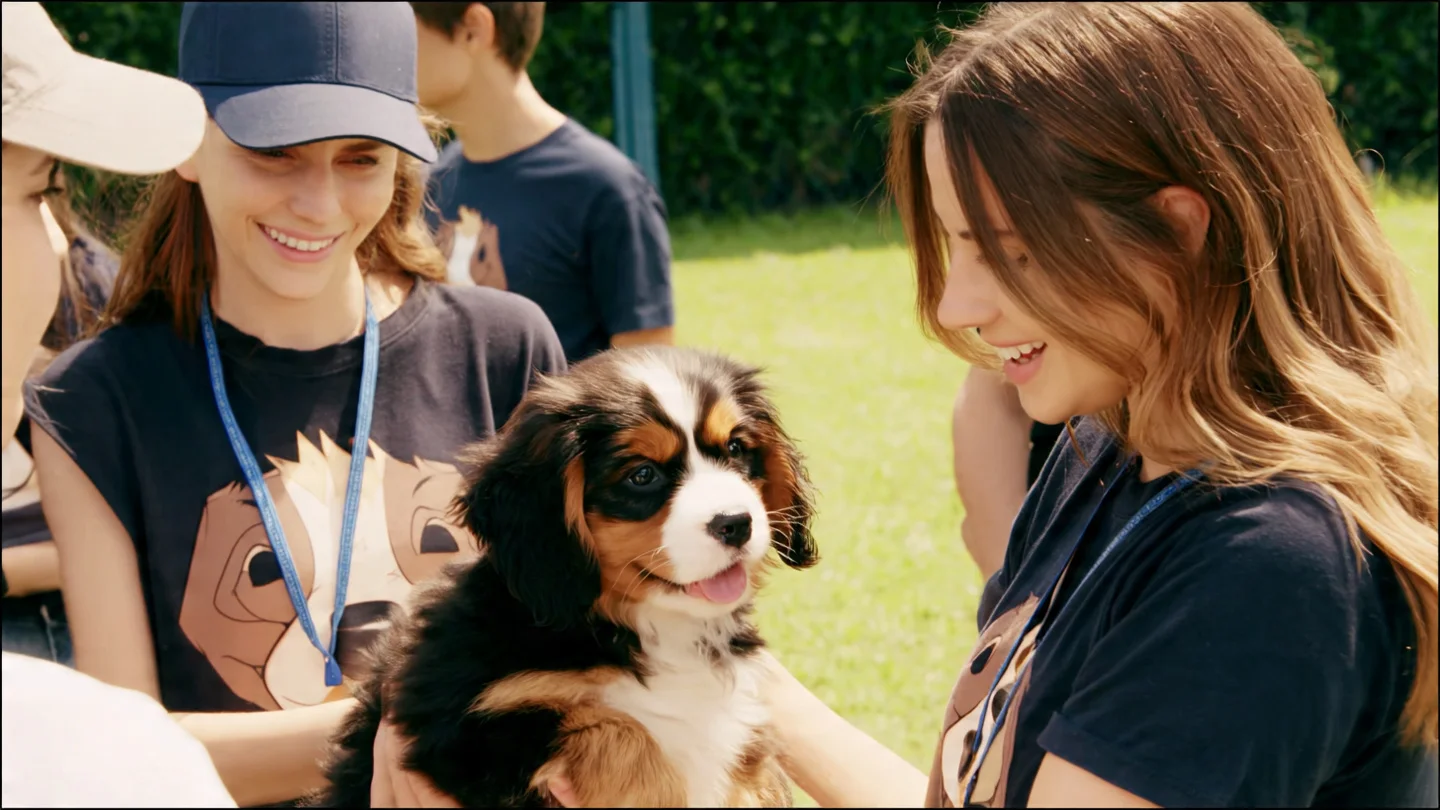
Welcome to the modern definition of puppy socialization. It is not a “meet and greet” free-for-all. It is the process of teaching your puppy to be neutral and composed in the world, regardless of the chaos unfolding around them. It is about exposure, not necessarily interaction. By focusing on puppy socialization training that prioritizes calm observation over constant greeting, you are setting the stage for a resilient and well-adjusted companion. If you are looking for puppy socialization tips that actually work, the first tip is to stop aiming for “friendly” and start aiming for “neutral.”
The Critical Window: Why the First 16 Weeks Matter
There is a biological clock ticking inside your puppy’s brain. The “Primary Socialization Period” lasts from 3 to 16 weeks of age. During this time, puppies are like sponges, absorbing information about what is safe and what is threatening. This is why early puppy socialization is non-negotiable. Once this window closes, novelty begins to breed suspicion rather than curiosity.
This urgency creates a paradox for new owners: How do you expose them to the world before they are fully vaccinated? The American Veterinary Society of Animal Behavior (AVSAB) provides a stark warning: behavioral issues—not infectious diseases—are the number one cause of death for dogs under three years old. The risk of a behavioral euthanasia due to fear-based aggression far outweighs the statistically small risk of contracting a virus, provided you are smart about it.
So, how do we navigate the “Vaccination Paradox”? You start puppy socialization training immediately—without putting paws on dirty ground. Use carriers, strollers, or car rides to let them see, hear, and smell the world. Sit outside a grocery store or a busy park and let the world come to them. This is one of the most vital puppy socialization tips for urban dwellers.
The “Neutrality Principle”: The Secret to a Calm Dog
What does a truly confident dog look like? It is the dog that notices a skateboarder zooming past, a dog barking behind a fence, or a toddler screaming, and then looks back at you as if to say, “I saw that, now what about that treat?” The goal of puppy socialization is to create a thinking dog, not a frantic one. Effective puppy socialization training teaches the dog to disengage from distractions and re-engage with you.
To achieve this, balance your outings using the 50/25/25 Rule:
- 50% of the time: Watch the world from a distance (Neutrality). Sit on a bench and let your puppy observe life. Reward them for staying calm. This is the foundation of good puppy socialization.
- 25% of the time: Novelty exposure. Let them explore different surfaces (metal grates, wet pavement) and listen to recorded sounds (thunder, fireworks).
- 25% of the time: Controlled interaction. Brief greetings with calm, vaccinated dogs or friendly humans.
The 4 Pillars of the Socialization Checklist
To ensure you haven’t missed anything, use this checklist to expose your puppy to the “weirdness” of the human world. Following this structure makes puppy socialization training systematic rather than chaotic.
| Pillar | Examples | Why It Matters |
|---|---|---|
| Sensory Exposure | Surfaces: Grass, gravel, wobbly boards. Sounds: Vacuum cleaners, sirens, umbrellas opening. Sights: People in hats, masks, or high-vis vests. | Prevents texture aversions and sound phobias (like fear of fireworks). These puppy socialization tips cover the sensory basics. |
| Cooperative Care | Touching paws, checking ears, looking at teeth. Standing on a raised surface (like a vet table). | Ensures future vet visits and grooming sessions are stress-free. |
| Environmental Novelty | Walking past a construction site. Sitting at a bus stop. Visiting a pet-friendly hardware store (inside a sanitized cart). | Teaches your dog to ignore distractions and focus on you anywhere. |
| Canine Communication | Watching calm, adult dogs from a distance. Practicing the “3-Second Rule” for greetings. | Prevents leash frustration and teaches your pup to “speak dog” fluently. |
Reading Your Puppy’s Body Language (The “Green, Yellow, Red” System)
Pushing a puppy into a scary situation is the fastest way to create a phobia. You must become fluent in your puppy’s language. Using the Green-Yellow-Red system helps you determine when to proceed and when to retreat. This is the advanced level of puppy socialization that many owners miss.
- Green (Confident): Loose, wiggly body, “curvy” spine, soft eyes, tail wagging in a mid-position. Action: You are in the perfect zone. Proceed with the exposure.
- Yellow (Unsure): Lip licking, yawning, sudden scratching, “whale eye” (turning head away but eyes looking at you), a lifted paw. Action: Increase distance. You are too close to the trigger. Let them observe from farther away.
- Red (Overwhelmed): Tucking tail, crouching low, growling, lunging, or “shutting down” (refusing high-value treats and freezing). Action: Leave immediately. You have pushed too far. Make a note to consult a professional if this happens often. If you see red, pause your puppy socialization training and reassess.
The “Missing Link”: Adolescent Fear Periods
Here is a gap most generic articles miss: Socialization doesn’t end at 16 weeks. There is a reason your previously brave 8-month-old puppy suddenly barks at the trash can or a familiar neighbor.
This is the “Second Fear Period,” occurring between 6 and 14 months of age (depending on breed). During adolescence, the dog’s brain undergoes hormonal changes that make them more cautious. It is a survival mechanism. This means that puppy socialization is actually a year-long project, not a 4-week sprint.
- What happens: Your dog may seem to forget their puppy socialization training and become spooked by things they previously ignored.
- The Strategy: Do NOT force them to “face their fears” (a method called flooding). This can cement the fear. Instead, use “Look at That” (LAT) training. When they look at the scary object, mark and reward. You are teaching them that scary things predict cookies, building a positive association.
Troubleshooting: “What if my puppy is already scared?”
If your puppy is exhibiting “Red” zone behaviors, do not panic. Never drag them closer to the scary thing to “show them it’s okay.” This is flooding, and it is a surefire way to lose their trust. Good puppy socialization tips always prioritize the dog’s emotional state over the owner’s goals.
Instead, harness the power of Counter-Conditioning. The equation is simple: Scarier Thing = Higher Value Treat. If a loud truck passes and they get scared, pull out a piece of chicken or cheese. You are changing the emotional response from “scary” to “Yay! I get chicken when trucks show up!”
If fear is persistent, or if you see signs of aggression, do not wait. Seek a Certified Professional Dog Trainer (CPDT-KA) or a Veterinary Behaviorist (DACVB). They can provide personalized puppy socialization training plans for fearful dogs.