
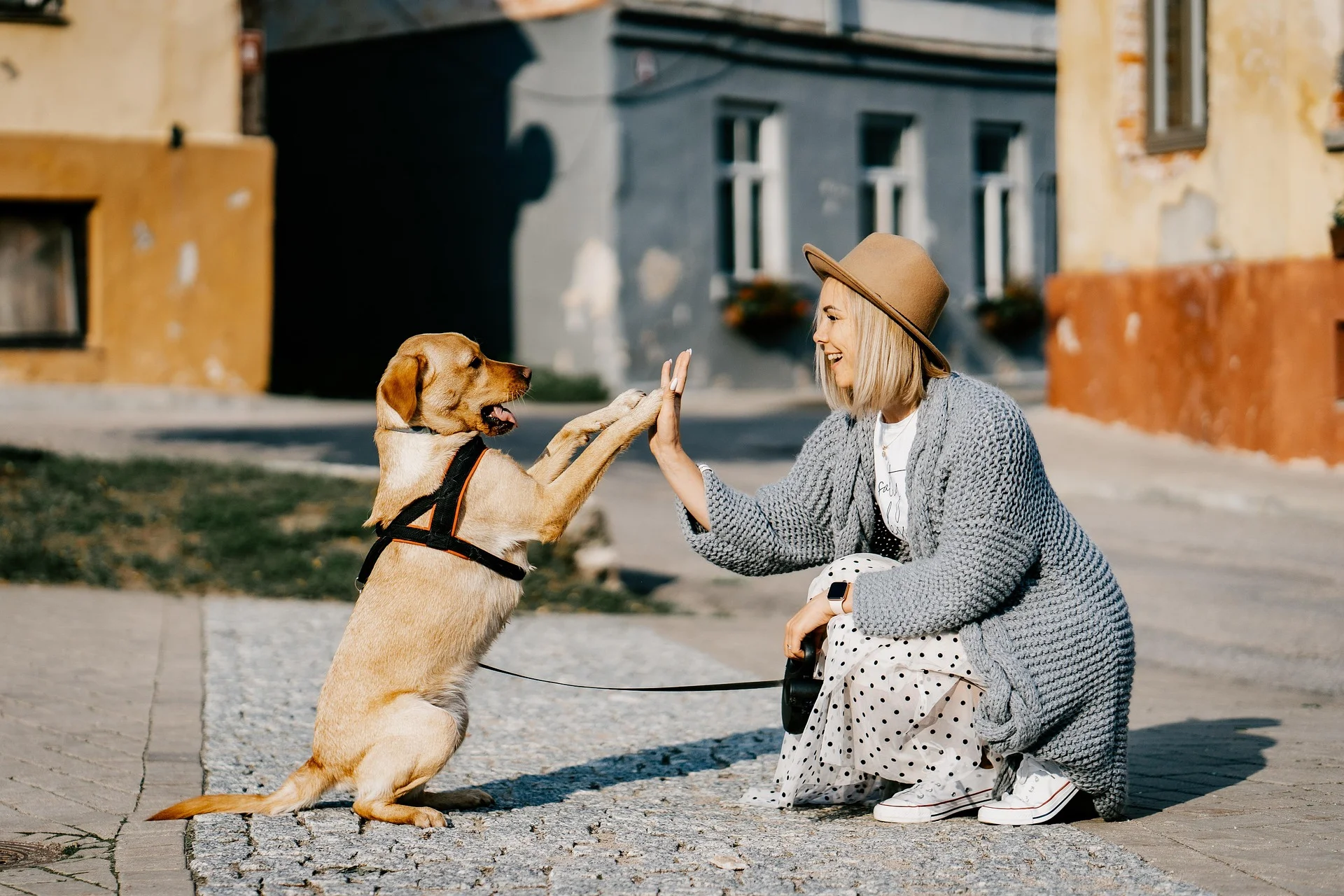
Beyond “I Love You”: 12 Science-Backed Ways to Show Your Dog You Love Them
Do dogs actually understand when we say “I love you”?
As a devoted dog parent, you’ve probably whispered those three little words into your pup’s floppy ears more times than you can count. And in those moments, when your dog gazes back at you with soulful eyes and a gently wagging tail, it certainly feels like they understand.
The truth? It’s more beautiful than you might think.
While dogs can recognize specific words and tones, they don’t process “I love you” the same way humans do. To truly understand how dogs understand love, we need to look at their world through a different lens—one shaped by 15,000 years of evolution alongside humans.
So, do dogs understand when you love them? Absolutely. But not through words. They interpret love through chemical responses, shared calm, eye contact, and the fulfillment of their biological instincts.
If you’ve been wondering how to show your dog you love them in ways they’ll genuinely comprehend, you’re in the right place. Here are 15 science-backed methods to communicate your affection—in a language your dog instinctively understands.
The Science of Canine Love: Do Dogs Understand Love Differently?
Before diving into specific techniques, it helps to understand how dogs understand love from a neurological perspective.
When you interact positively with your dog, both of your brains release oxytocin—the same “bonding hormone” released when mothers gaze at their newborns. A landmark 2015 study published in Science journal demonstrated that when dogs and humans share mutual gazes, oxytocin levels spike in both species.
This is the clearest evidence we have that do dogs understand when you love them isn’t just wishful thinking—it’s neurochemistry.
However, dogs don’t process love through abstract concepts or words. They experience it through:
- Safety and predictability (you return home, you provide food)
- Physical affection on their terms
- Opportunities to express natural behaviors
- Calm, consistent energy from their humans
With this foundation in mind, let’s explore practical ways to answer how to show your dog you love them in their native language.
1. Master the “Mutual Gaze” Technique
Ever caught your dog staring at you and wondered what they’re thinking? Those loving looks are actually love letters in canine language.
How to do it right: Don’t stare aggressively (in dog language, that’s a threat). Instead, maintain soft, relaxed eye contact while speaking gently. Let your eyes soften into what I call “love eyes”—slightly squinty, warm, and calm. When your dog holds that gaze and their body stays loose, you’re sharing an oxytocin moment.
This simple practice is one of the most powerful answers to how to show your dog you love them because it taps directly into their bonding biology.
2. Use “Dog-Directed Speech” (Yes, Baby Talk Works!)
Feel ridiculous when you use that high-pitched “Who’s a good baby?” voice? Don’t stop.
Research from the University of York reveals that dogs are more likely to bond with humans who use high-pitched, rhythmic “dog-directed speech.” This tone helps dogs distinguish that you’re communicating specifically with them, increasing their sense of security and belonging.
The benefit: When you pair that silly voice with positive interactions, your dog learns that this special tone means love and attention directed just at them. It’s a simple but profound way to show your dog you love them.
3. The 3-Second Petting Consent Test
Here’s where many well-meaning owners get it wrong. We show love through constant petting and hugs, but many dogs find this intrusive. To truly demonstrate love, you must respect their agency.
The Rule: Pet your dog for three seconds, then stop and move your hand away. Watch closely:
- If your dog nudges your hand, leans in, or paws at you → Consent given (continue!)
- If they turn away, yawn, lick their lips, or move off → They appreciate space right now
Respecting that choice builds massive trust. And trust? That’s the foundation of how dogs understand love.
4. Prioritize the “Sniffari” Over Power Walks
To a dog, love means letting them be a dog.
A 20-minute walk where they’re allowed to sniff every lamppost, fire hydrant, and blade of grass is often more mentally rewarding than a 60-minute power walk at your pace. Enter the “sniffari”—a walk dedicated entirely to following your dog’s nose.
Why it works: Sniffing lowers a dog’s heart rate and allows them to process the “news” of the neighborhood. When you prioritize their need to investigate, you’re showing that you value their instincts—a powerful answer to how to show your dog you love them.
5. Master the “Leaning” Cuddle
In the wild, dogs show trust and affection by leaning their body weight against another member of their pack. It’s vulnerable. It’s intimate. It’s a “canine hug.”
Action: When your dog comes and leans against your legs while you’re cooking, working, or watching TV, don’t push them away. Better yet, lean back slightly into them. This gentle pressure says, “I trust you too. We’re in this together.”
Understanding this behavior helps answer how dogs understand love through physical proximity and mutual support.
How Love Translates: Human Actions vs. Canine Perception
| Human Action | Dog’s Interpretation | Better Way to Show Love |
|---|---|---|
| Hugging tightly | Can feel like restraint or threat | Gentle leaning against them |
| Giving constant treats | Transactional, food-based | Shared activities like training games |
| Patting on the head | Often annoying or startling | Chest scratches or ear rubs |
| Forced cuddles | Loss of control | Letting them initiate contact |
| Staring intensely | Challenge or threat | Soft, blinking eye contact |
This comparison table clarifies how dogs understand love versus human expressions of affection—essential knowledge for any dog parent.
6. Learn the “Left Eyebrow Raise”
Here’s a fascinating insight into how dogs understand love and express it themselves: a Japanese study discovered that dogs tend to move their left eyebrow upward when they see someone they love.
Expert Tip: Start paying attention to your dog’s facial micro-expressions. When you walk through the door after work, glance at their left eye. See that subtle brow lift? That’s your dog’s face saying, “My favorite human is home!” Acknowledge it with a soft “hello” to reinforce the bond.
7. Nap Together (Proximity = Protection)
Dogs are pack animals biologically wired to sleep together for protection and warmth. When your dog chooses to nap near you—even if it’s just on the floor beside your desk—they’re signaling that you’re part of their “safe circle.”
The science: Sleeping in proximity releases oxytocin and reduces cortisol (stress hormone) in dogs. By allowing them to rest near you, you’re literally lowering their stress levels. This is a passive but powerful way to show your dog you love them.
8. Speak Their Language with Play Bow
Want to tell your dog “I love playing with you” in their native tongue? Try the play bow.
When you’re about to play, get down on your hands and knees, stick your bottom in the air, and give a happy, excited “Wanna play?” This mimics the canine play bow—the universal dog invitation for fun. Most dogs will respond with explosive joy because you just said, “Let’s have fun together!” in perfect Dog.
9. Create Predictable Routines
While spontaneity is romantic for humans, dogs find love in predictability. When your dog knows when meals come, when walks happen, and when you return home, they feel secure. Security = love in the canine world.
Action: Establish consistent daily rhythms. Even something as simple as a special 2-minute cuddle before you leave for work creates a predictable anchor that tells your dog, “You are safe. I am reliable.”
Understanding this need for consistency helps answer how dogs understand love through the lens of safety and predictability.
10. Let Them Win at Games
When you play tug-of-war or fetch, occasionally let your dog “win.” Shake the toy victoriously and let them prance away with their prize. Celebrate their success!
This taps into their natural drive for mastery and tells them you’re a teammate who celebrates their wins, not a competitor who always dominates. It builds confidence and deepens your bond.
11. Master the Ear Massage
Most dogs don’t love head pats (which feel startling from above). But ear massages? That’s a completely different story.
Gently rub the base of your dog’s ears between your thumb and forefinger. The ears are filled with nerve endings, and this circular motion releases endorphins. Watch your dog’s eyes drift closed, and you’ll witness canine bliss in real-time. This is hands-down one of the most effective ways to show your dog you love them physically.
12. Just Be Present (Put Down the Phone)
In our distraction-filled world, one of the most profound ways to show love is simply being fully present.
Put down the phone. Stop scrolling. For 10 minutes a day, just be with your dog—watching them sniff, stroking their fur, matching your breathing to theirs. Dogs are masters of mindfulness, and when you join them in the present moment, they feel your attention deeply.
13. Teach New Tricks (Mental Stimulation = Love)
Contrary to what some think, training isn’t just about obedience—it’s about connection. When you teach your dog new skills using positive reinforcement, you’re engaging their brain and building communication pathways.
Why it works: Dogs were bred to work alongside humans. Learning together taps into that ancient partnership and answers how dogs understand love through collaboration and shared goals.
14. Respect Their “No”
This might be the hardest but most important lesson in how to show your dog you love them: respect when they say “no.”
If your dog moves away from a child, doesn’t want to greet another dog, or shows discomfort in a situation, listen. Advocate for them. Remove them from situations that scare them. When you consistently have your dog’s back, you build unshakeable trust.
15. Warm Their Bed (Literally)
Here’s a sweet, simple gesture: toss a warm (not hot) water bottle or microwaved heat pack into their bed before they settle in for the night. On cold evenings, this mimics the warmth of pack-sleeping and provides physical comfort.
It’s a small act, but dogs notice. They understand love through comfort, warmth, and safety.
Frequently Asked Questions
Q: Do dogs know when you kiss them?
A: Most dogs don’t instinctively understand kisses as affection. While some learn to associate kisses with love over time (especially if paired with gentle tones), many prefer a scratch behind the ears. Watch your dog’s reaction—if they turn away or tense up, respect their preference. This helps clarify how dogs understand love versus human gestures.
Q: Does my dog know I love them if I yell?
A: No. Dogs are exquisitely sensitive to stress hormones in humans. Yelling creates confusion and anxiety, even if you’re not angry at them. Showing love often means maintaining a calm, consistent environment where they don’t have to guess your mood.
Q: Do dogs understand when you say “I love you”?
A: They don’t process the words, but they absolutely understand the context—your tone, your body language, your happy energy, and the positive associations that follow. So keep saying it. They feel it. This is perhaps the most common question about how dogs understand love, and the answer is beautifully nuanced.
Q: How do dogs show love in return?
A: Look for these signs: leaning against you, bringing you toys (especially when you’re sad), following you from room to room, soft eye contact, and that full-body wag when you walk through the door.
Q: Do dogs understand love from other dogs differently?
A: Yes. While how dogs understand love from humans involves some cross-species translation, with other dogs, communication is purely canine—through body language, play, grooming, and pack behavior.
Love Is an Action, Not a Word
Showing your dog you love them isn’t about buying the most expensive toys or repeating “I love you” a hundred times. It’s about consistency, respect for their space, and engaging their senses in ways they instinctively understand.
By implementing the Consent Test, practicing the Mutual Gaze, and prioritizing Sniffaris over power walks, you’re speaking a language your dog has understood for thousands of years—long before humans ever said “I love you.”
Because in the end, love isn’t a word. It’s how you show up, every day, for the creature who thinks you’re the center of the universe.