
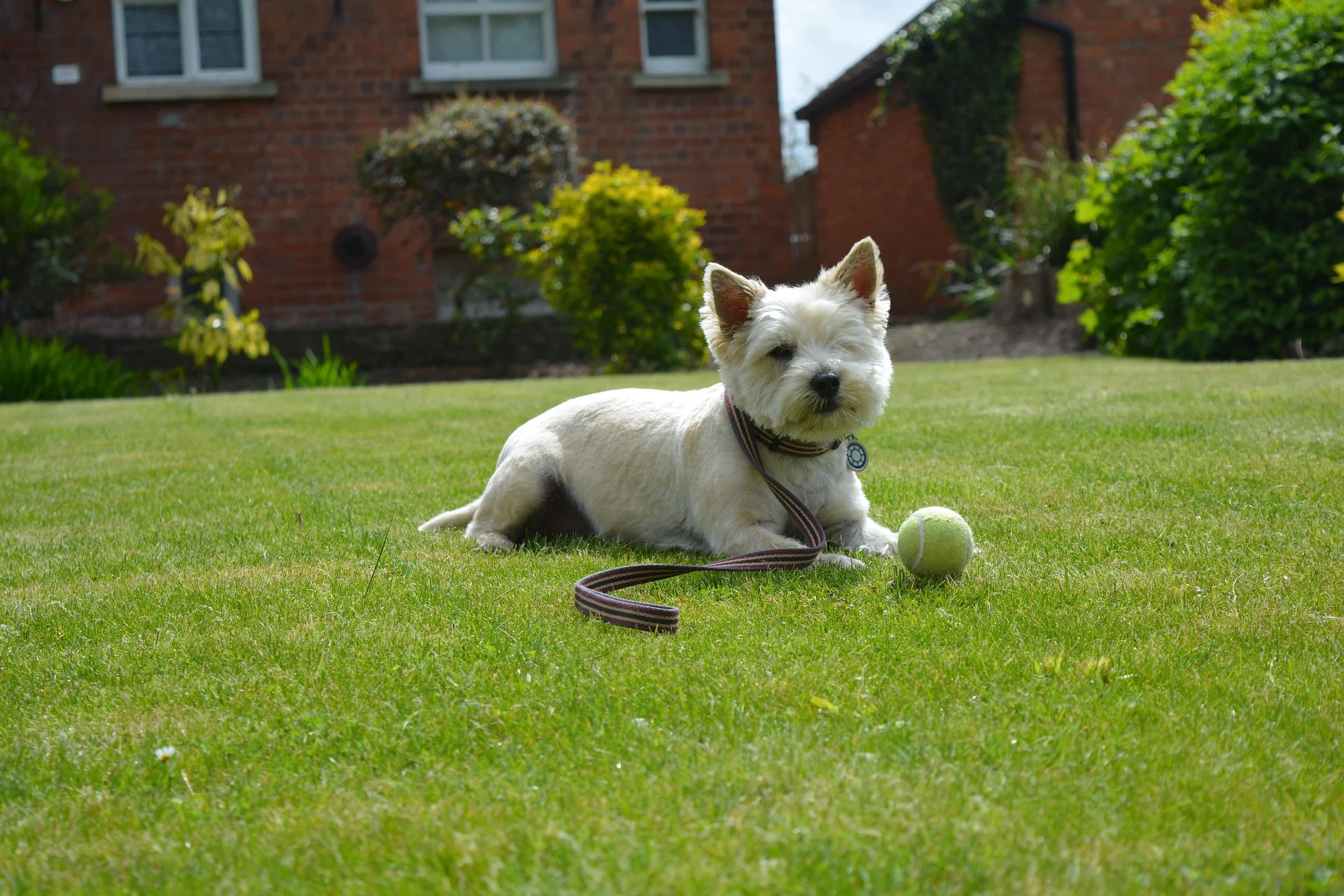
Puppy Playing with Ball: Easy Activities for Daily Exercise
Table of Contents
If you have ever tossed a ball across the living room only to watch your new puppy playing with ball launch themselves into a chaotic somersault of joy, you have witnessed pure magic. But is it just a game? For a canine, a puppy playing with ball is tapping into a primal instinct that has been hardwired into their DNA for thousands of years. In fact, watching a puppy playing with ball offers a window into their developing mind—revealing everything from hunting instincts to social bonding.
While it looks like simple fun, this activity—a puppy playing with ball—is one of the most effective tools for training, bonding, and mental stimulation. However, to truly master the art of fetch, we need to move beyond just throwing the toy. We need to understand the “why” behind the obsession. Whether you are looking to start puppy fetch training or simply searching for fun ways to play with your puppy, this guide will walk you through the biology, the training techniques, and the safety measures every responsible owner needs to know. Because when it comes to a puppy playing with ball, getting it right sets the foundation for a lifetime of joyful interaction.
The Science of the Chase: Why Puppies are Obsessed with Balls
To beat the competition in terms of value, we have to start with biology. A puppy playing with ball isn’t just exercising; they are fulfilling a deep-seated instinct. Understanding this science will also enhance your puppy fetch training, as you learn to work with their biology rather than against it.
- The Predatory Drive: To a puppy, a rolling or bouncing ball mimics the erratic movement of prey (like a rabbit or squirrel). This movement triggers the “Search, Stalk, and Chase” portion of their ancestral hunting instincts. When you observe a puppy playing with ball, you are literally watching thousands of years of evolution in motion.
- Proprioception Development: Have you ever watched a puppy awkwardly try to pick up a ball that is stuck under the couch? That clumsy reach is actually a critical learning moment. A puppy playing with ball helps develop proprioception—the body’s ability to sense movement, action, and location. They learn to gauge distances, balance on three legs, and time their jumps.
- The Dopamine Loop: Every time a puppy playing with ball successfully “captures” it, their brain releases dopamine. This chemical reward system makes fetch a self-reinforcing behavior. It’s a healthy way to reduce stress and anxiety, turning playtime into a natural mood booster for your pup. That’s why incorporating fun ways to play with your puppy—like ball play—is essential for their emotional well-being.
Step-by-Step: How to Train Your Puppy to Like (and Fetch) a Ball
Many new owners make the mistake of throwing the ball across the yard on day one, only to have their puppy look at them with confusion. Effective puppy fetch training requires a structured approach. Remember, the goal is to make every session of puppy playing with ball a positive, rewarding experience.
Phase 1: Building Value (The Introduction)
Don’t throw the ball yet. In fact, hide it in your pocket. Let the puppy sniff the ball. Every time they touch it with their nose, give them a high-value treat. We want the puppy to build the neural pathway: Ball = Rewards. This first phase of puppy fetch training is often overlooked, but it is crucial for building enthusiasm.
Phase 2: The “Floor Roll” (Building Drive)
Instead of an overhead toss that might scare a young pup, roll the ball slowly across the floor. This mimics the movement of a small rodent and is less intimidating. This builds drive without the pressure of height or speed. A puppy playing with ball in this low-stakes environment learns confidence before intensity.
Phase 3: The “Trade-Up” Strategy (The Secret to Retrieval)
The biggest complaint owners have is: “My puppy gets the ball and runs away.” This isn’t defiance; it’s resource guarding or simply a game of “keep away.” Here is how to fix it using the “Trade-Up” method—a game-changer for puppy fetch training.
| The Problem | The “Trade-Up” Solution |
|---|---|
| Puppy runs away | Always have two identical balls or a handful of treats. This keeps the puppy playing with ball engaged with you, not running off. |
| Refuses to drop | When the puppy catches the first ball, show them the second one. They will naturally drop the first to get the second. |
| Training the command | Use the command “Drop it” the moment they let go of the first ball. This teaches them that dropping leads to another chase, preventing possessiveness. |
Pro Tip: This method prevents “Resource Guarding” and establishes you as the source of fun, not the enemy trying to take away their treasure. It transforms puppy fetch training from a struggle into a cooperative game.
Troubleshooting Common Issues
Sometimes, the road to fetch isn’t smooth. Here is how to handle the most common long-tail search queries regarding puppy play.
“My puppy is afraid of the ball.”
Some puppies find the unpredictable bounce or the hard sound of a standard ball intimidating. If your puppy runs away rather than toward the ball during puppy playing with ball time, lower the “threat” level. Switch to a plush, soft ball or a “crinkle” ball. Once they build confidence with the soft toy, you can slowly transition back to a bouncier option. There are many fun ways to play with your puppy that don’t start with a hard, bouncy ball.
“My puppy just wants to chew it, not chase it.”
This is incredibly common during the teething phase (3–6 months). At this age, the urge to chew overrides the urge to chase. Instead of forcing fetch, use a rubber textured ball (like a Kong) that provides relief to their aching gums. This satisfies their immediate need while keeping the “ball” concept positive. Even if your puppy playing with ball looks more like chewing than chasing, it’s still building a positive association.
Essential Safety: Not All Balls are Created Equal
As a responsible owner, the safety of your puppy playing with ball equipment is paramount. To establish authority (E-E-A-T), we must discuss the risks associated with common toys. Safe puppy fetch training starts with the right equipment.
1. The “Tennis Ball Trap”
Most owners don’t know that the yellow felt on standard tennis balls is highly abrasive. It acts like sandpaper on puppy tooth enamel. For long-term dental health, stick to smooth rubber or felt-free balls designed specifically for dogs. A puppy playing with ball should be a safe activity, not a threat to their dental health.
2. The Sizing Chart (Safety First)
A ball that is too small is a choking hazard; a ball that is too heavy can damage growing teeth. Follow this quick guide to ensure your puppy playing with ball is always safe:
- Small Breeds (Yorkies, Chihuahuas): 1.5-inch diameter. Avoid standard tennis balls as they are a choking hazard and too heavy for their neck structure.
- Medium/Large Breeds (Labs, Goldens): 2.5-inch to 3-inch.
- The Rule of Thumb: If the ball can fit behind the puppy’s back molars, it is too small. Always err on the side of a larger ball until your puppy is fully grown.
Top 3 Recommended Balls for Puppies (2024/2025)
To help you get started, here are the top three choices for safe, engaging fetch toys this year. These picks are designed to maximize fun ways to play with your puppy while ensuring safety.
- Best for Teething:Natural Rubber Ribbed Ball
- Why: The soft rubber texture massages sore gums and the ribbed design helps clean teeth as they chew. Perfect for a puppy playing with ball during the teething months.
- Best for Visibility:Glow-in-the-dark Fetch Ball
- Why: Perfect for evening play sessions. It ensures you don’t lose the ball and keeps puppy fetch training going even after the sun goes down.
- Best for Beginners:Interactive Treat-Dispensing Ball
- Why: This combines the fun ways to play with your puppy with food motivation. It teaches the puppy to engage with the ball independently and rewards them for nudging it.
Conclusion: More Than Just a Game
Ultimately, a puppy playing with ball is engaging in an activity that strengthens your bond, satisfies their biological instincts, and teaches them vital life skills like self-control and impulse management. By focusing on safety—avoiding abrasive tennis balls and using the correct sizing—and employing smart techniques like the “Trade-Up” method for puppy fetch training, you are setting the stage for a lifetime of healthy, happy fetch. When you prioritize fun ways to play with your puppy, you build trust, communication, and joy that extends far beyond the backyard.
Remember, it isn’t about tiring your puppy out; it’s about building a language between you and your new best friend. So go ahead—grab a safe ball, step outside, and enjoy the simple, profound joy of a puppy playing with ball.
FAQ Schema
Q: At what age can puppies start playing with balls?
A: Puppies can start engaging in puppy playing with ball activities as early as 8 weeks of age, provided the ball is soft (like a plush toy), appropriately sized, and play is supervised to prevent accidental ingestion of fibers or small parts.
Q: Why does my puppy growl when I try to take the ball?
A: This is a sign of resource guarding. Instead of reaching for the ball, use the “Trade-Up” method mentioned above. Offer a high-value treat or a second toy to encourage them to drop the ball willingly, rather than forcing it from their mouth. This approach makes puppy fetch training stress-free for both of you.
Q: How long should each puppy playing with ball session last?
A: For young puppies, sessions should be short—5 to 10 minutes—to prevent overexertion and protect developing joints. Multiple short sessions throughout the day are far better than one long session.