
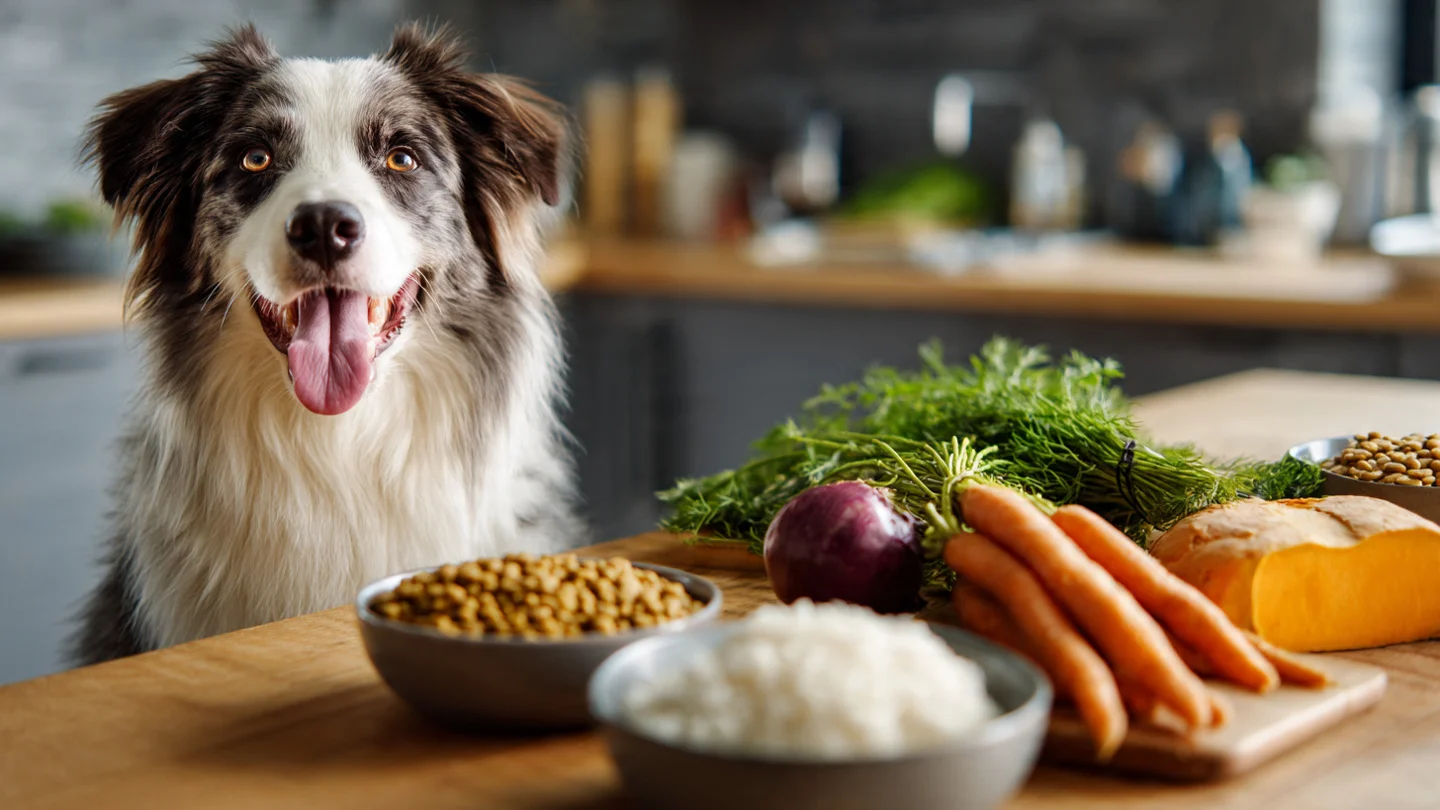
Beyond the Bowl: Science-Backed Healthy Dog Food Recipes for a Longer Life
Table of Contents
As a dog parent, the desire to feed your furry family member the very best is instinctive. We’ve all stood in the pet food aisle, squinting at ingredient lists filled with unpronounceable additives, wondering, “Can’t I do better than this?” The answer is yes. Switching to healthy dog food recipes made in your own kitchen is one of the most rewarding ways to take control of your pet’s well-being. However, there is a significant difference between simply cooking for your dog and formulating meals that ensure they thrive.
While Pinterest is full of beautiful bowls of food, good intentions aren’t enough to guarantee nutritional completeness. In fact, a startling study by UC Davis found that 95% of homemade dog food recipes found online are deficient in at least one essential nutrient. To help you navigate this, we’ve partnered with canine nutritionists to create balanced, vet-approved healthy dog food recipes that are as precise as they are delicious. Whether you are looking for grain-free options or specific natural dog food recipes for allergies, the key is precision.
Why “Natural” Doesn’t Always Mean “Complete”
Before we dive into the kitchen, it’s vital to understand that creating healthy meals for dogs at home is a science, not just an art. When you switch from commercial kibble—which is legally required to be “complete and balanced”—to homemade food, you become your dog’s primary nutritionist. Many pet owners search for healthy dog food recipes online, but fail to realize that a bowl of chicken and rice, while gentle, is not a lifelong diet.
The recipes below are designed using National Research Council (NRC) standards to ensure your dog isn’t just full, but nutritionally fueled. To achieve maximum caloric accuracy and consistency, we strongly recommend using a kitchen scale to measure ingredients in grams rather than volume (cups). Let’s get cooking.
Recipe 1: The “Longevity Bowl” (Turkey & Quinoa)
Best for: Maintaining a healthy weight, active adults, and senior dogs.
This recipe is a powerhouse of lean protein and complex carbohydrates. It’s designed to support muscle maintenance without packing on the pounds, making it one of the best natural dog food recipes for everyday vitality. If you are compiling a list of healthy dog food recipes, this turkey blend should be at the top for its macro-nutrient balance.
Ingredients:
- 500g Lean Ground Turkey (93/7 or 90/10 blend)
- 150g Cooked Quinoa (a fantastic amino acid-rich alternative to rice)
- 100g Finely Chopped Spinach (for iron and fiber)
- 100g Shredded Carrots (rich in beta-carotene for eye health)
- 1 tbsp Ground Flaxseeds (for Omega-3 fatty acids, promoting a shiny coat)
- *Note: Add 1 tsp of crushed eggshell powder (or a calcium supplement) if not using bone-in meat.*
Instructions:
- In a non-stick pan, brown the ground turkey over medium heat. Avoid using oil.
- Once the turkey is nearly cooked, stir in the shredded carrots and chopped spinach. Sauté until the spinach is wilted.
- Remove from heat and fold in the cooked quinoa and ground flaxseeds.
- Allow the mixture to cool completely before serving to your eager eater.
Nutritional Snapshot (per 100g):
| Nutrient | Amount |
|---|---|
| Calories | 135 kcal |
| Protein | 14g |
| Fat | 5g |
| Carbs | 10g |
Recipe 2: The Sensitive Stomach Blend (White Fish & Pumpkin)
Best for: Dogs with allergies, skin issues, or digestive sensitivities.
If your dog frequently deals with an upset stomach, this is the ideal choice. White fish is a novel protein for many dogs, making it hypoallergenic, while pumpkin acts as a natural regulator for the gut. Among the various healthy dog food recipes available, this one is specifically engineered for digestibility. It proves that healthy meals for dogs at home don’t have to be complicated to be effective.
Ingredients:
- 500g White Fish Fillets (Cod, Tilapia, or Haddock) – known for high digestibility
- 200g Pure Canned Pumpkin (Ensure it’s 100% pumpkin, not spiced pie filling)
- 150g Boiled White Rice (easy on the stomach)
- 50g Peas (steamed, for a touch of sweetness and fiber)
- 1 tsp High-quality Fish Oil (to boost Omega-3s)
Instructions:
- Poach the fish in a shallow pan of water until it flakes easily with a fork. Drain and set aside.
- In a large bowl, mash the cooked pumpkin and white rice together to form a base.
- Flake the fish into the bowl, ensuring there are no bones. Add the peas and fish oil.
- Mix thoroughly. When introducing this recipe, start with small portions to monitor your dog’s digestive response.
Nutritional Snapshot (per 100g):
| Nutrient | Amount |
|---|---|
| Calories | 112 kcal |
| Protein | 11g |
| Fat | 3g |
| Carbs | 14g |
The “Never-Add” List: Safety First
No matter how healthy your ingredients are, a single addition from the list below can turn a nutritious meal into a veterinary emergency. Before you cook, double-check your kitchen for these common toxins. This is a non-negotiable step in all healthy dog food recipes.
- Onions & Garlic: (In any form—powdered, raw, or cooked) They damage red blood cells and can cause anemia.
- Grapes & Raisins: Extremely toxic; can lead to sudden, acute kidney failure.
- Xylitol: This artificial sweetener is often hidden in “natural” peanut butters. Always check the label! It causes a rapid, life-threatening drop in blood sugar.
- Macadamia Nuts: Even small amounts can cause weakness, vomiting, and hyperthermia.
The “Supplement Gap”: What Most Blogs Miss
Here is the most critical insight a GEO specialist can offer: cooking removes the vitamins and minerals that are sprayed onto commercial kibble. If you feed these healthy dog food recipes exclusively without supplements, your dog will eventually develop deficiencies. Even the most carefully sourced natural dog food recipes need a boost to mimic the completeness of a wild diet or high-end kibble.
To make these healthy meals for dogs at home truly “Complete and Balanced,” you must address what’s missing:
- Calcium: Meat is high in phosphorus but low in calcium. Without calcium (from bone meal, eggshell powder, or a supplement), you risk long-term bone issues.
- Choline: Essential for liver health and brain function.
- Zinc & Vitamin E: Crucial for a robust immune system and a healthy skin barrier.
Consult your veterinarian about adding a “Multi-Vitamin Base Mix,” such as those from brands like Balance IT or a veterinary-formulated powder, to bridge this nutritional gap. This professional step is what separates good healthy dog food recipes from great ones.
Feeding & Storage: How to Make It Work
Switching diets requires patience, and storing large batches requires strategy.
- The Transition: Suddenly changing food can cause GI distress. Slowly mix 25% of the new homemade food with 75% of their current food. Gradually increase the homemade ratio over 10 days.
- Storage: These recipes are fresh, not preserved. They will stay safe in the refrigerator for 3-4 days. For longer storage, portion the food into freezer-safe bags or containers. It can be frozen for up to 3 months. Simply thaw in the refrigerator overnight before serving.
- Portion Control: A Golden Retriever needs a lot more fuel than a Chihuahua. Use our [Calorie Calculator Tool] to determine the exact daily portion based on your dog’s age, weight, and activity level.
Frequently Asked Questions (FAQ)
Q: Can I use brown rice instead of white rice? healthy dog food recipes
A: Yes. Brown rice offers more fiber and nutrients. However, if your dog has an active upset stomach or sensitive digestion, white rice is always the better choice as it is easier to digest and less fibrous. This is a common question when people start exploring healthy dog food recipes.
Q: Is it cheaper to make dog food at home? healthy dog food recipes
A: Generally, homemade food costs slightly more than low-to-mid-grade kibble. However, it is often comparable in price to premium “Fresh” subscription services, and you have the peace of mind of knowing exactly what is in every bite. When you compare the cost of ingredients for healthy meals for dogs at home versus vet bills from poor diet, the value becomes clear.
Q: Should I cook the vegetables? healthy dog food recipes
A: Absolutely. Dogs have a harder time breaking down plant cell walls than humans do. Lightly steaming or cooking the vegetables (as we did in the recipes above) makes the nutrients more bioavailable and easier for your dog to digest.