
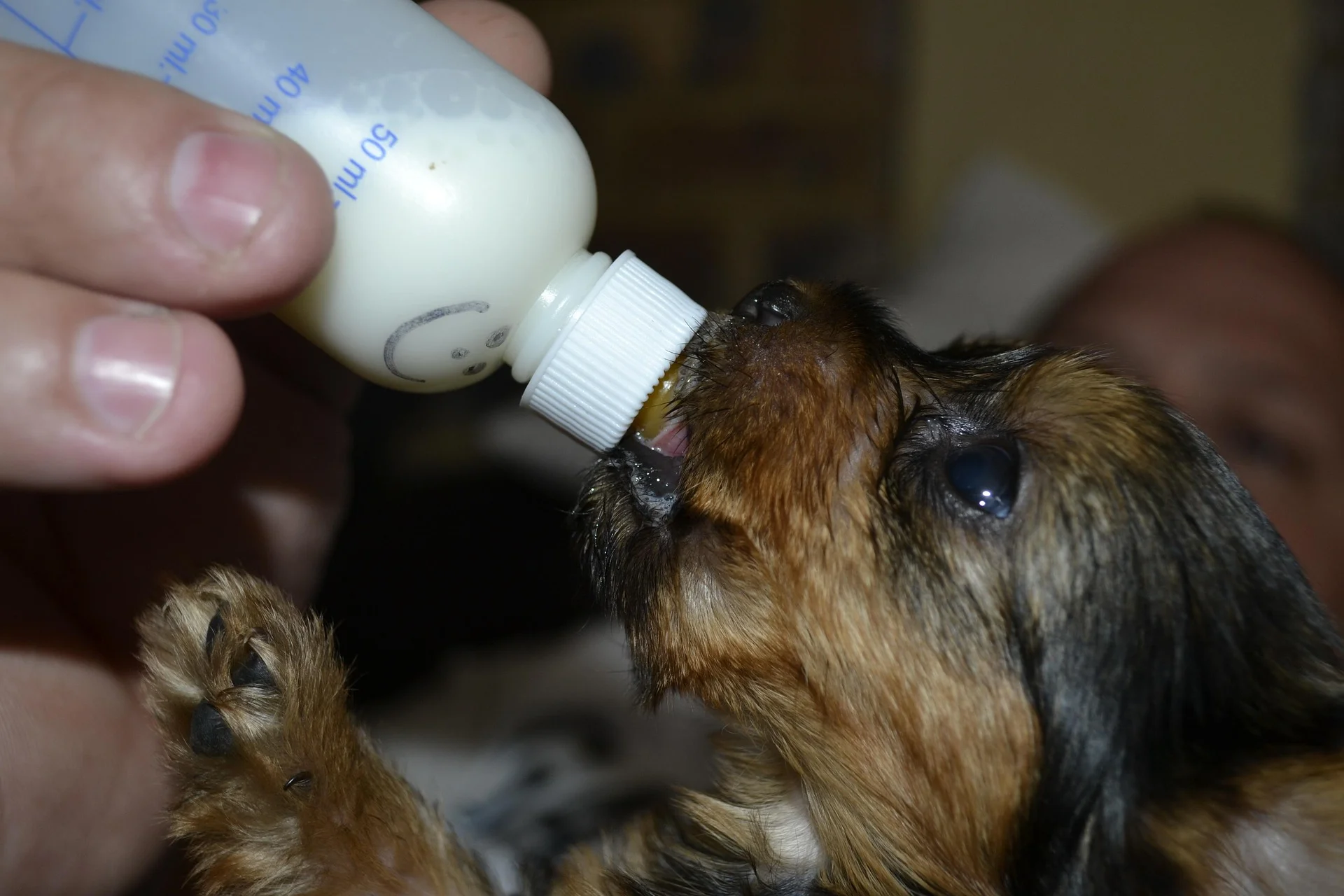
The Ultimate Guide to What to Feed a Puppy: Nutrition Schedule, Portion Sizes, and Expert Tips
Table of Contents
Bringing home a new puppy is one of life’s purest joys. Those wobbly legs, that milk-breath smell, and those curious eyes exploring their new world—it’s magical. But amidst the cuddles and chaos, one question towers above all others: What should you actually feed a puppy to ensure they grow into a healthy, happy adult dog?
Walk down any pet store aisle, and you’re bombarded with conflicting claims: grain-free, raw, human-grade, breed-specific. It’s overwhelming. But here’s the truth: the best food to feed a puppy isn’t necessarily the most expensive or the trendiest—it’s the one that delivers precise nutrition for their unique developmental stage. When you feed a puppy properly from day one, you’re investing in their lifelong health and vitality.
This comprehensive guide cuts through the marketing noise and gives you a veterinarian-approved roadmap for puppy nutrition. We’ll cover everything from feeding schedules and puppy food portion size calculations to breed-specific considerations and red flags that warrant a vet visit. Whether you’re a first-time owner or a seasoned pro, knowing exactly how to feed a puppy makes all the difference.
1. Why Puppy Food is Non-Negotiable
Let’s bust the biggest myth right now: You cannot simply feed a puppy “adult” dog food. It’s not just about kibble size—it’s about biochemistry. When you feed a puppy food designed for adults, you deprive them of critical nutrients they desperately need.
Think of your puppy as a tiny athlete in a permanent state of construction. Between birth and six months, a puppy will gain as much as their entire adult body weight. That explosive growth requires specific fuel. The way you feed a puppy during these formative months literally shapes their bone structure, brain development, and immune system for life.
| Nutrient | Why It Matters | What Happens If Deficient |
|---|---|---|
| Protein | Builds muscle, organs, and tissues | Weak development, poor coat condition |
| Calcium & Phosphorus | Critical for bone density and structure | Rickets, fractures, or (in large breeds) hip dysplasia |
| DHA (Omega-3) | Supports brain and eye development | Potential cognitive delays, vision issues |
| Antioxidants | Bolsters developing immune system | Increased susceptibility to illness |
The “Pillar” Rule: Always, always look for the AAFCO statement on the bag. It must explicitly say: “Complete and balanced for growth” or “All life stages.” If it doesn’t, keep walking. This simple check ensures you’re about to feed a puppy a diet that meets their legal nutritional requirements.
2. The Universal Feeding Schedule: Timing is Everything
Puppies have tiny stomachs but massive energy needs. Unlike adult dogs who can handle one or two large meals, puppies need frequent refueling to prevent blood sugar crashes (hypoglycemia)—a dangerous condition that can cause weakness, seizures, or worse.
The question isn’t just what to feed a puppy—it’s when to feed them. Here’s your roadmap to feeding frequency:
| Puppy Age | Meals Per Day | Why This Matters |
|---|---|---|
| 6–12 Weeks | 4 meals | Newly weaned babies need constant energy for rapid growth |
| 3–6 Months | 3 meals | Stomach capacity increases; growth rate remains high |
| 6–12 Months | 2 meals | Transitioning to adult metabolism; growth slows |
Pro Tip: Space meals evenly throughout your waking hours. If you’re feeding four times daily, aim for every 4-5 hours. The last meal should be close to bedtime—this helps puppies sleep through the night without hunger-induced wake-ups. This schedule works perfectly whether you feed a puppy kibble, wet food, or a mixed diet.
3. How Much Should You Actually Feed? (The Math That Matters)
Here’s a hard truth: Most puppy owners overfeed. Those feeding charts on kibble bags? They’re often based on “active, intact adult dogs” and can lead to chubby puppies—which sets the stage for joint problems and obesity later in life. Determining the correct puppy food portion size is one of the most critical skills you’ll learn.
The Veterinarian’s Formula: RER
Vets calculate calorie needs using the Resting Energy Requirement (RER) formula. Don’t worry—I’ll make this simple:
Step 1: Calculate RER
70 × (puppy’s weight in kg) ^ 0.75
Step 2: Apply Growth Factor
- Multiply RER by 3 for puppies under 4 months
- Multiply RER by 2 for puppies 4–12 months
Example: A 5 kg (11 lb) puppy at 3 months old:
- RER = 70 × (5^0.75) = 70 × 3.34 = 234 calories/day
- Growth factor (×3) = 702 calories/day
This scientific approach to puppy food portion size takes the guesswork out of mealtime. When you feed a puppy using this method, you’re matching their intake exactly to their metabolic needs.
The “Rib Test” (No Math Required!)
If calculations aren’t your thing, use your hands:
- You should feel your puppy’s ribs easily under a thin layer of skin—like running your fingers over the back of your hand
- You should NOT see individual ribs
- View from above: You should see a defined waistline behind the ribs
Warning Sign: If you see no waistline from above or can’t feel ribs, you’re overfeeding. If ribs are visible and waist is extreme, gradually increase puppy food portion size over several days until you hit the sweet spot.
4. Large Breed vs. Small Breed: Two Different Worlds
Here’s where puppy nutrition gets really interesting. A Chihuahua and a Great Dane are both puppies—but their nutritional needs are worlds apart. The best food to feed a puppy depends entirely on their expected adult size.
Small Breed Puppies (Expected Adult Weight <25 lbs)
- Growth Timeline: Reach maturity around 9–10 months
- Metabolic Reality: Tiny bodies = high metabolic rates. They burn through energy fast and are prone to hypoglycemia
- Nutritional Needs: Calorie-dense kibble with smaller pieces; higher fat for sustained energy
- Feeding Strategy: When you feed a puppy of a small breed, expect to offer smaller, more frequent portions
Large Breed Puppies (Expected Adult Weight >50 lbs)
- Growth Timeline: Continue growing for up to 24 months
- Critical Warning: Overfeeding or high-calcium diets cause rapid growth—which stresses developing joints and leads to hip dysplasia, elbow dysplasia, and lifelong pain
- Nutritional Needs: Controlled calcium levels (1.0–1.5%), moderate fat to slow growth rate, and glucosamine for joint support
- Feeding Strategy: The best food to feed a puppy of a large breed is specifically formulated to prevent growth that’s too fast
Golden Rule: If you have a large breed puppy, specifically choose foods labeled “Large Breed Puppy” —they’re formulated to prevent growth that’s too fast. This is non-negotiable if you want to protect their joints.
5. The Psychology of Feeding: Picky Eaters vs. Grazers
Most nutrition guides tell you what to feed a puppy—they rarely address how to feed them. But feeding behavior matters just as much as ingredients.
The Scheduled Feeding Method
- Place the bowl down for 15–20 minutes
- If they don’t eat, pick it up and try again at the next scheduled meal
- This prevents “grazing” and gives you critical health data: A sudden loss of appetite is often the first sign of illness
The Enrichment Edge
Puppies are hardwired to forage, hunt, and work for food. Turn mealtime into brain-building time:
- Snuffle Mats: Hide kibble in fabric strips—mimics foraging in grass
- Slow Feeder Bowls: Prevents gulping and reduces bloat risk
- Food Puzzles: Makes meals mentally stimulating and tires out energetic pups
Insight: Puppies who “work” for their food develop better problem-solving skills and are less likely to develop destructive behaviors. This is true whether you feed a puppy kibble, raw, or dehydrated food.
6. Common Red Flags: When to Call the Vet
Nutrition and health are inseparable. Even when you’re confident in how to feed a puppy, things can go wrong. Watch for these food-related warning signs:
- Diarrhea lasting >24 hours — Puppies dehydrate fast; don’t wait it out
- The “Pot-Bellied” Look — A round, swollen belly often signals roundworms, not “being full.” Puppies need deworming every 2-3 weeks until 16 weeks old
- Vomiting Yellow Bile — This often means an empty stomach for too long. Try a small bedtime snack
- Constipation or Straining — Could indicate dehydration or inappropriate calcium levels
- Excessive Gas or Bloated Belly — May signal food intolerance or improper digestion
Bottom Line: When in doubt, call your vet. Puppies crash fast but bounce back fast with intervention. The way you feed a puppy should always include close monitoring of their output and behavior.
7. Frequently Asked Questions (The “Snippet” Section)
Can I give my puppy milk?
No. Most puppies become lactose intolerant after weaning. Cow’s milk causes severe diarrhea and GI upset. Stick to fresh water. This is one mistake new owners make when they first feed a puppy—resist the urge!
When should I switch to adult food?
Generally, when puppies reach 80–90% of expected adult size:
- Small breeds: 9–12 months
- Medium breeds: 12–14 months
- Large breeds: 18–24 months
Is grain-free better for puppies?
Current veterinary consensus says no. Unless your puppy has a confirmed grain allergy (rare), grains provide essential fiber, nutrients, and energy. The FDA continues investigating a potential link between grain-free diets and dilated cardiomyopathy (DCM) in dogs. When you choose what to feed a puppy, grain-inclusive diets are currently recommended.
What human foods are safe for puppies?
Plain cooked chicken, carrots, green beans, and small amounts of peanut butter (xylitol-free!) make great training treats—but they should never exceed 10% of daily calories.
Should I wet my puppy’s kibble?
For very young puppies (under 12 weeks), adding warm water creates a porridge-like texture that’s easier to eat. After 4 months, most puppies handle dry kibble fine. This small adjustment can make it easier to feed a puppy who’s just learning to eat solids.
How do I change my puppy’s food?
Transition over 7-10 days: Days 1-2 (25% new, 75% old), Days 3-4 (50/50), Days 5-6 (75% new, 25% old), Day 7+ (100% new). This gradual shift helps you feed a puppy without causing digestive upset.
What’s the best food to feed a puppy with sensitive stomachs?
Look for limited ingredient diets with novel proteins (like salmon or venison) and easily digestible carbohydrates like rice or oatmeal. Always consult your vet before making switches for medical reasons.