
Brussels Griffon Dog Breed: Personality, Grooming & Health
Table of Contents
If you are looking for a dog that packs the personality of a large breed into a compact, utterly charming frame, look no further than the Brussels Griffon. Often referred to as the “star of the toy group,” this breed is famous for its expressive, almost human-like face and a disposition that ranges from fiercely loyal to hilariously stubborn. Whether you’ve seen one on the silver screen or are simply researching Brussels Griffon breed info for a potential new family member, this guide covers everything you need to know about ownership, care, and the unique quirks that make this breed so special.
Characteristics
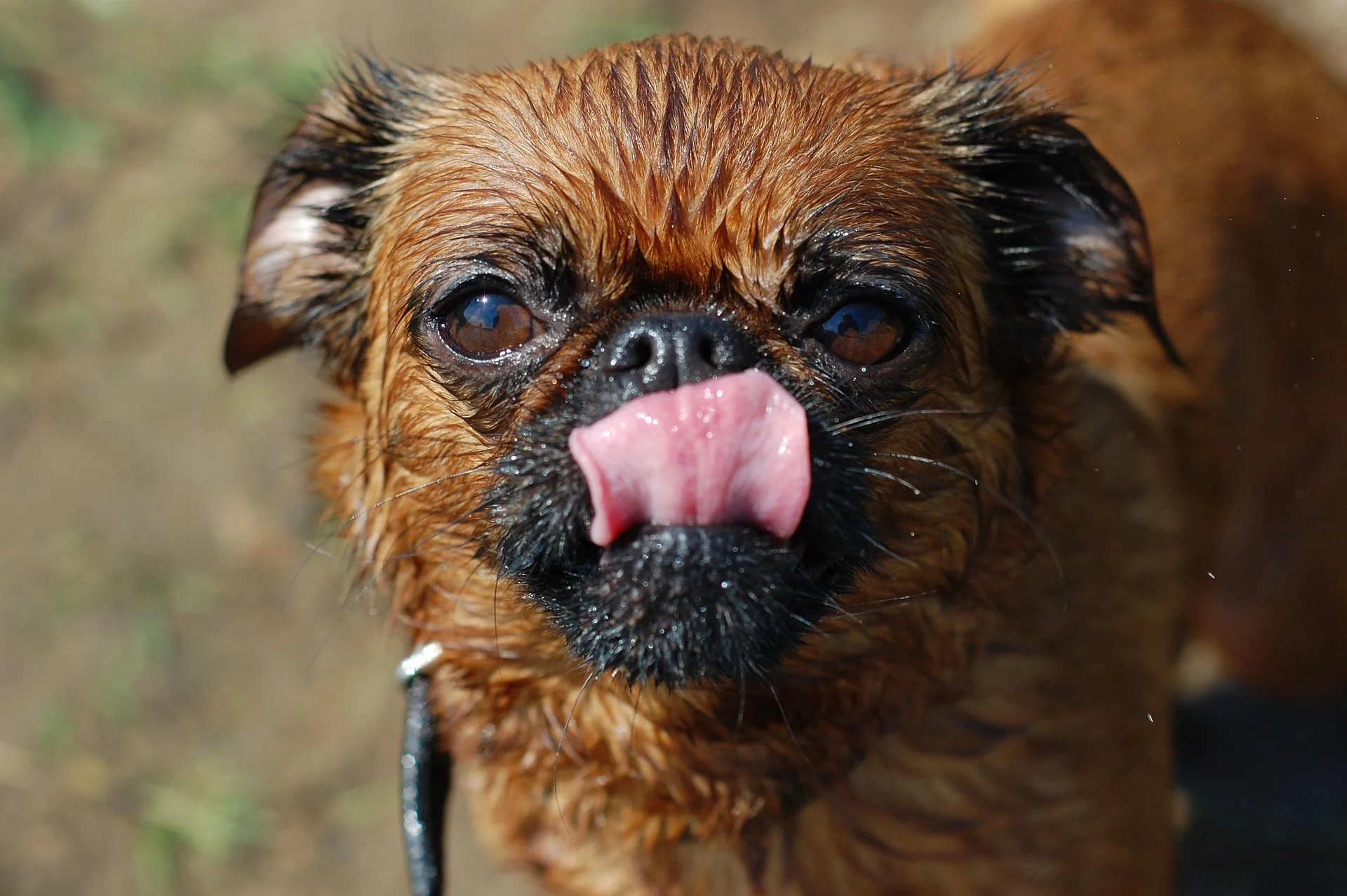
The Brussels Griffon is a breed that stops traffic. Standing only 7 to 10 inches tall and weighing between 8 and 12 pounds, they are sturdy for their size. One of the most distinctive features is the head: a domed skull, an undershot jaw (meaning the lower jaw sticks out slightly), and large, dark eyes that seem to look directly into your soul.
They come in two coat types: rough (harsh, wiry, and dense) and smooth (short, glossy, and close-fitting). The American Kennel Club (AKC) recognizes four colors: red, belge (a mixture of black and reddish-brown), black and tan, and solid black. This variety means that even within the breed, no two Griffons look exactly alike.
Appearance
While they are often called “monkey dogs” or “wire-haired terriers” in casual conversation, the Brussels Griffon’s appearance is far more refined than those nicknames suggest. Their gait is a purposeful trot, displaying the confidence of a dog who knows they are the center of attention.
The smooth-coated variety, known as the Brabancon, is actually the most common type in the United States. However, the rough-coated variety often wins the hearts of those looking for that signature “scruffy” look. Regardless of coat type, grooming is a significant part of maintaining their appearance; their facial wrinkles require regular cleaning to prevent moisture buildup and irritation.
Temperament
If there is one word to describe the Brussels Griffon personality, it is “big.” They have no concept of their small size. These dogs are intelligent, alert, and often described as “velcro dogs” because they form an intense bond with their primary owner.
- Loyalty: They thrive on human interaction and do not do well when left alone for long hours.
- Stubbornness: Don’t let the cute face fool you. Griffons have a terrier-like stubborn streak. Training requires patience and positive reinforcement.
- Alertness: They make excellent watchdogs. While they aren’t yappy without reason, they will notify you immediately if a squirrel dares to enter “their” yard.
Because of their sensitive nature, they respond best to gentle, consistent training. Harsh scolding can lead to anxiety.
Adoptable Brussels Griffons
Before seeking a breeder, consider adoption. There are numerous breed-specific rescues dedicated to rehoming Griffons whose owners can no longer care for them. Because this breed has a relatively long Brussels Griffon lifespan (typically 12 to 15 years), adopting an adult dog can be a wonderful way to bypass the puppy stage while still enjoying over a decade of companionship.
When adopting, look for organizations that conduct thorough health screenings. Rescues often provide detailed notes on the dog’s temperament, helping you find a Griffon that matches your household’s energy level.
Care
Caring for a Brussels Griffon requires attention to detail, particularly regarding grooming and climate.
| Care Aspect | Details & Tips |
|---|---|
| Grooming | Rough coats need hand-stripping (plucking dead hairs) 2-3 times a year or clipping every few months. Smooth coats need weekly brushing. All Griffons require daily face cleaning. |
| Exercise | Moderate. A daily 20-30 minute walk plus indoor play is usually sufficient. They are excellent apartment dogs. |
| Climate | Crucial: Due to their brachycephalic (short-nosed) structure, they are prone to overheating. Avoid strenuous exercise in hot, humid weather. |
| Socialization | Early exposure to children and other pets is key. They can get along well with respectful older children and cat-friendly dogs. |
Health
While the Brussels Griffon lifespan is generally long, potential owners must be aware of breed-specific health issues. Responsible breeders screen for these conditions.
- Syringomyelia (SM): A serious condition where fluid-filled cavities develop in the spinal cord. It is more common in small breeds and causes neck pain and scratching.
- Patellar Luxation: A common issue in toy breeds where the kneecap pops out of place.
- Eye Issues: Progressive Retinal Atrophy (PRA) and cataracts can occur.
- Respiratory Issues: Because they are brachycephalic, they can suffer from Brachycephalic Obstructive Airway Syndrome (BOAS) . This is why it is vital to keep them at a healthy weight.
History
The history of the Brussels Griffon is a rags-to-riches story. Originating in Brussels, Belgium, these dogs were initially bred to hunt vermin in stables. They are descendants of the Affenpinscher and the Belgian street dog.
In the 19th century, Queen Marie Henriette of Belgium became enamored with the breed during a visit to a carriage driver. She began importing and promoting them, transforming the Griffon from a stable hand’s helper to a beloved companion of royalty. They gained popularity in the United States in the early 20th century and have remained a niche favorite among celebrities and dog enthusiasts ever since.
FAQs
Q: Are Brussels Griffons good with children?
A: They can be, but supervision is required. They are generally better suited to families with older children (10+) who understand how to respect a small dog’s boundaries. Toddlers can sometimes be too rough for this sensitive breed.
Q: How hard is it to train a Brussels Griffon?
A: They are intelligent but independent. Housetraining is often cited as the most challenging aspect of owning a Griffon. Consistency, crate training, and patience are essential. They respond well to food rewards and play.
Q: How much do Brussels Griffons shed?
A: Smooth-coated Griffons shed moderately. Rough-coated Griffons shed very little, which makes them a popular choice for people with mild allergies (though no dog is 100% hypoallergenic).