
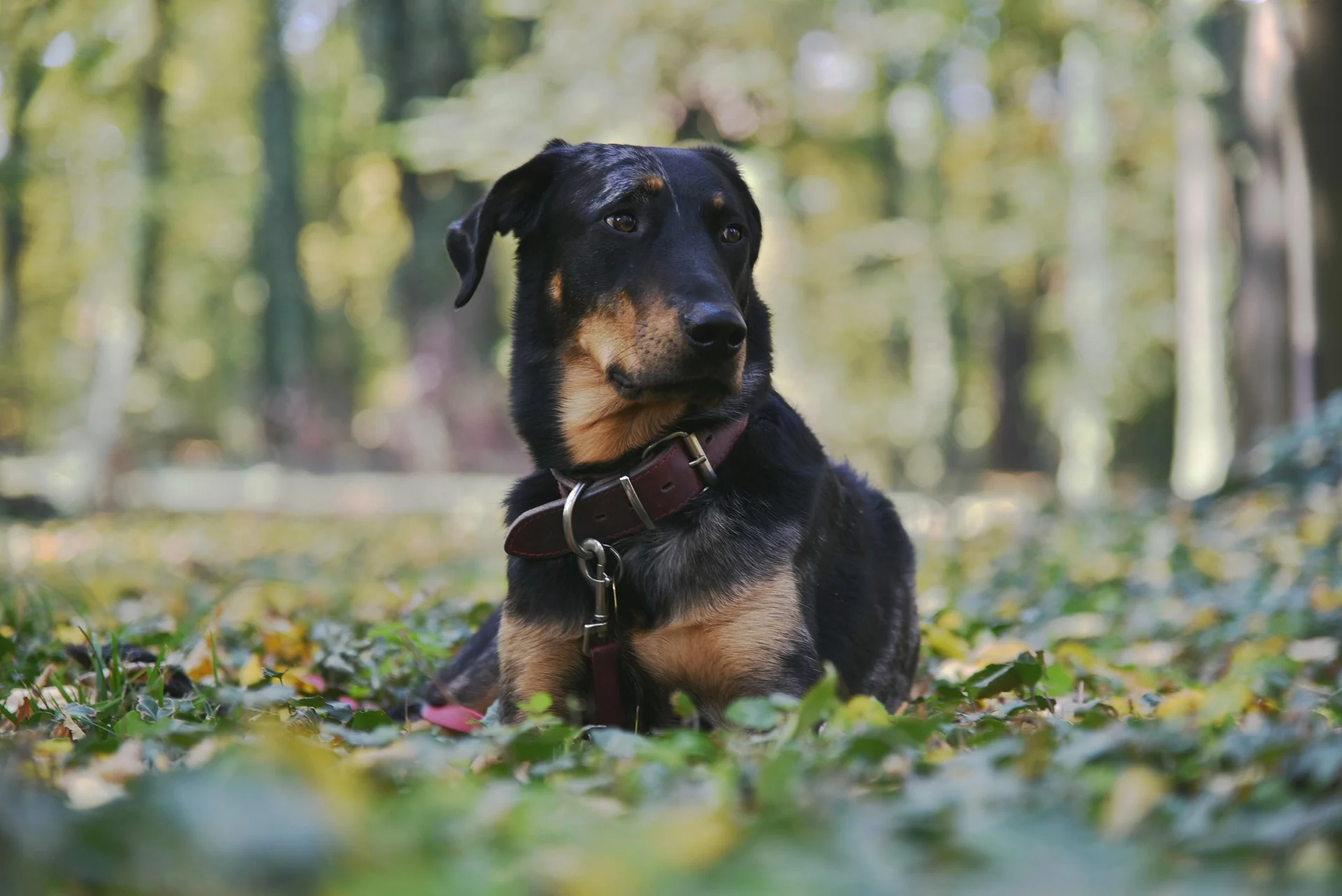
The Beauceron Breed: The “French Gentleman” Who Will Guard Your Soul
Table of Contents
If you are looking for a dog that loves everyone equally, the Beauceron breed is not for you. However, if you are searching for a discerning, intelligent companion who will offer you a loyalty so deep the French have a specific phrase for it (l’esprit de famille), then you may have just found your match.
Often mistaken for a Doberman or a German Shepherd, the Beauceron is actually a distinct French herding dog with a history as rich as its personality. Known affectionately as the Bas-Rouge (Red Stockings) for the distinctive tan markings on their legs, these dogs are not just pets; they are a lifestyle.
Before you bring one of these majestic giants home, let’s break down everything you need to know about their identity, their unique temperament, and the reality of living with a breed that takes three years to grow up.
1. The “Bas-Rouge” Identity: Quick Stats
The Beauceron cuts an imposing figure. They are large, muscular, and exude a rustic elegance that screams capability. If you see one in person, the first thing you’ll notice (beyond their size) is their posture—they stand with a quiet confidence, observing the world rather than reacting to it.
- Weight: 70–110 lbs (Males are significantly more muscular)
- Height: 24–27.5 inches
- Lifespan: 10–12 years
- Distinguishing Feature: Double dewclaws on the hind legs (The “French Signature”)
- Nicknames: Berger de Beauce, Bas-Rouge (Red Stockings)
2. The Beauceron Temperament: Beyond “Loyal”
Most breed guides will describe the Beauceron personality with the word “loyal.” While true, this is an oversimplification. In reality, the Beauceron is discerning.
Imagine a Golden Retriever who loves everyone—that is the opposite of a Beauceron. These dogs are hard-wired to study people. They possess an intense, almost soulful devotion to their “inner circle” (their human family) while remaining aloof and highly watchful of strangers.
The “Beauceron Lean”
Here is a behavioral quirk you won’t find in general breed summaries: The Beauceron Lean. Much like a Great Dane, these dogs show affection by pressing their entire body weight against your legs. It is not just a sign of affection; it is a moment of bonding. If they aren’t leaning on you, they aren’t done “checking in” with you. For a breed that can weigh over 100 pounds, this “lean” is a physical reminder of the deep bond they require.
3. The 3-Year Puppyhood: A Warning to Owners
The American Kennel Club (AKC) lists them as “active,” but that descriptor doesn’t prepare you for what I call the Beauceron Maturity Gap.
A Beauceron will reach its full physical size—that massive frame and those powerful legs—by 12 months. However, it remains a puppy mentally until the age of three. This creates what owners lovingly refer to as the “clumsy tank” phase. You have a full-grown dog with the impulse control of an adolescent.
To survive this phase, you need to understand their specific needs:
- Consistency over Intensity: A common myth is that you need to run them for miles to tire them out. In reality, 5 hours of running won’t tire them; 20 minutes of scent work or advanced obedience will. They need a job, not just a treadmill.
- The “Sheep’s Yawn”: When a Beauceron is bored or stubborn, they will literally yawn at you. This isn’t tiredness—it’s a sign you need to change your training tactic. It’s their polite way of saying, “I’m disengaged, human.”
Because of their high intelligence and stubborn streak, this breed is not recommended for first-time owners. However, for those who understand the Beauceron personality, it is an incredibly rewarding journey.
4. The Double Dewclaw: More Than Just a Toe
The Beauceron is one of the few breeds in the world required to have double dewclaws on the rear legs to meet the breed standard. If a Beauceron lacks these, they cannot compete in the conformation ring.
- The Purpose: Historically, these extra toes were essential for stability. When herding sheep on the rocky, uneven terrain of Northern France, these double dewclaws acted like additional snowshoes or grips, allowing them to turn sharply without splaying their feet.
- Owner Tip: These are not “vestigial” toes like on some other breeds. They are fully attached to the bone. You must keep the nails trimmed short. Because they are higher up on the leg, they do not touch the ground and will not wear down naturally. If neglected, they can snag on brush during hikes, leading to painful tears and expensive vet bills.
5. Health & Longevity: The “Anti-Bloat” Protocol
Generally, this is a hardy breed. However, their deep chest makes them a prime candidate for Gastric Dilatation-Volvulus (GDV), commonly known as Bloat. To outrank general health blogs with vague advice, here is an experience-based protocol to keep your Beauceron guard dog safe:
- The 60-Minute Rule: Enforce a strict rule of no vigorous exercise 60 minutes before or after a meal. This means no fetch, no running, no wrestling.
- Slow Feeders: A Beauceron can inhale 3 cups of kibble in under 30 seconds. Use a maze bowl or a puzzle feeder to slow them down and reduce the amount of air they swallow.
- Hydration Management: After a long run in the heat, do not let them “gulp” massive amounts of water immediately. Allow them a few laps, take the bowl away for 5 minutes, then offer it again. Rapid gulping fills the stomach with air and water, increasing bloat risks.
6. Beauceron vs. The World: Quick Comparison
Should you choose a Beauceron over similar-looking breeds? Here is how they stack up against their closest cousins:
| Feature | Beauceron | Doberman | German Shepherd |
|---|---|---|---|
| Coat | Double coat (Sheds heavily twice a year) | Single coat (Shorter, gets chilly in winter) | Heavy double coat (Sheds daily, aka “German Shedders”) |
| Training | Independent / Thinker (Needs a reason to obey) | Highly Eager (Works for you) | High Work Drive (Works for the job) |
| Energy | “Slow Burn” (Can hike all day steadily) | High Burst Energy (Fast sprinter) | High Work Energy (Needs purpose) |
| Best For | Experienced outdoor enthusiasts | Home protection / Companion | Service / Police / Sport work |
While all three are excellent Beauceron guard dog alternatives, the Beauceron is generally less “sharp” than a Doberman but more independent than a German Shepherd.
7. Is a Beauceron Right for You?
Choose a Beauceron if:
- You want a “wash and wear” dog with minimal grooming (a good brushing once a week usually suffices).
- You have a large yard or, better yet, access to hiking trails where they can explore.
- You want a dog that is naturally protective without being “nervous” or reactive.
Avoid a Beauceron if:
- You are a first-time dog owner.
- You live in a small apartment with no “job” for the dog to do (they will become destructive).
- You dislike “velcro dogs” (they will follow you into the bathroom—literally).
Conclusion
The Beauceron breed is not a mainstream choice, and that is exactly how owners like it. They are the ultimate project for the dedicated owner—a dog that demands respect, offers unwavering protection, and rewards you with the quiet companionship of a true French gentleman.
If you are looking for a hiking buddy who can go the distance and a guardian who knows the difference between a friend and a threat, the Bas-Rouge might just be your perfect match.