
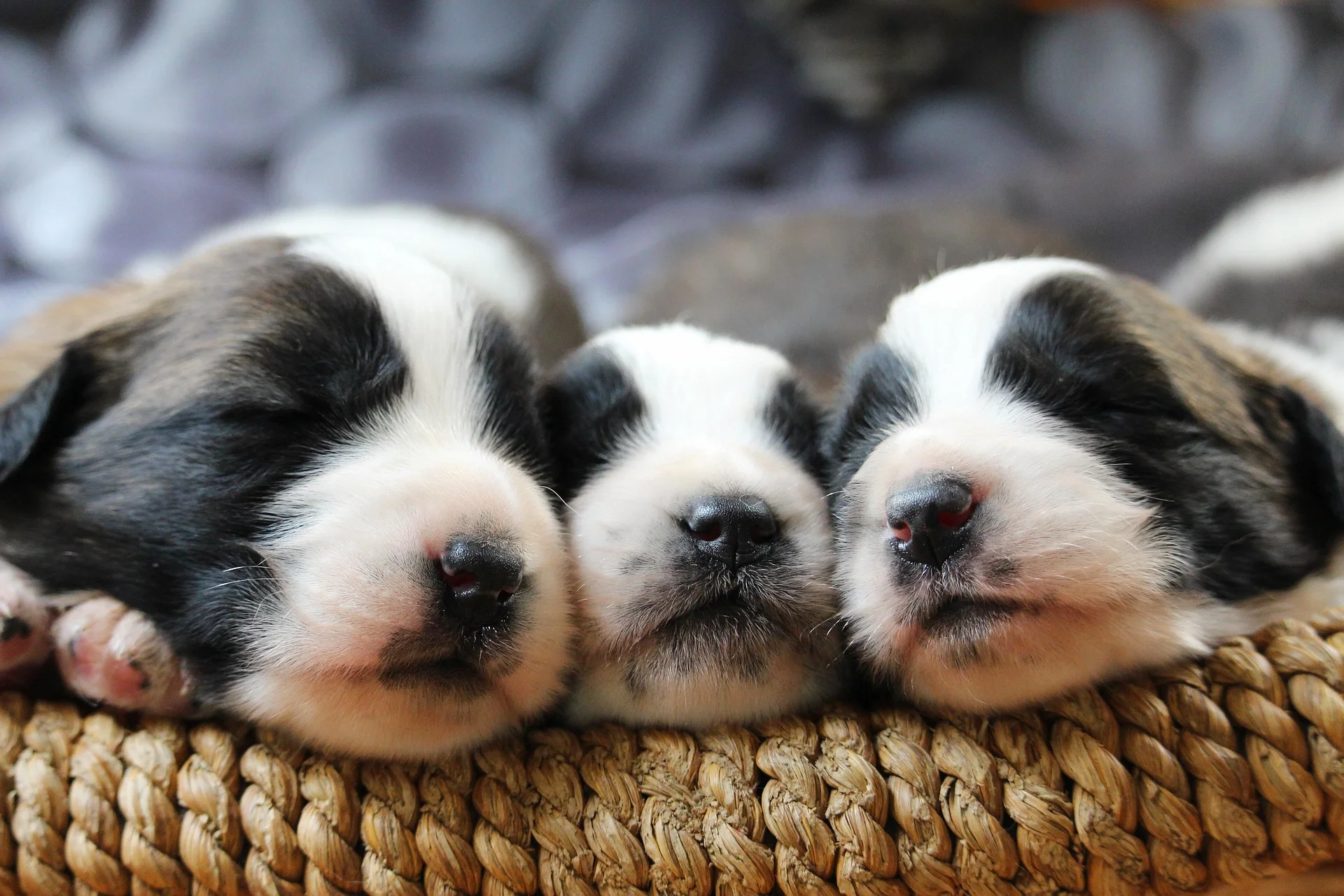
How Much Sleep Do Puppies Need? Complete Puppy Sleep Schedule
Table of Contents
The question keeps you up at night—literally. Your new puppy is either bouncing off the walls at midnight or has transformed into a tiny land shark, and you’re desperately searching Google for answers about how much sleep do puppies need.
Here’s the truth: most new puppy parents get this wrong, and it turns their sweet fur baby into an overtired nightmare. Understanding how much sleep do puppies need isn’t just about preventing 3 AM wake-up calls—it’s about raising a healthy, well-adjusted dog.
Let’s fix that right now.
How Much Sleep Do Puppies Need? (Complete Age Breakdown)
If you’re wondering how much sleep do puppies need, the answer depends entirely on their age. Young puppies are basically professional nappers, sleeping up to 20 hours daily. But understanding how much sleep do puppies need at each stage helps you create the perfect routine.
| Puppy Age | Total Sleep (24 Hours) | Daytime Nap Frequency |
|---|---|---|
| 8–12 Weeks | 18–20 Hours | Every 45–60 minutes awake |
| 3–6 Months | 16–18 Hours | 3–4 meaningful naps |
| 6–12 Months | 14–16 Hours | 2–3 naps daily |
| Adult (1+ Year) | 12–14 Hours | Varies by breed/activity |
Understanding how much sleep do puppies need by age prevents both under-sleeping and over-tiring. But here’s the catch: knowing how much sleep do puppies need is only half the battle. You also need a solid puppy sleep schedule by age to make it work.
Why Puppies Need THIS Much Sleep (The Science)
When calculating how much sleep do puppies need, biology provides the answer. Puppies grow faster than human babies, and almost all that growth happens during sleep.
Growth Hormone Release
The pituitary gland releases growth hormones primarily during deep sleep. When your puppy twitches and dreams, they’re literally building muscle and bone. This is why knowing how much sleep do puppies need matters for physical development.
Brain Development
Puppies process massive amounts of information during sleep. Every new command, social cue, and environmental sound gets consolidated while they snooze. A proper puppy sleep schedule by age ensures this processing happens efficiently.
Immune Function
Sleep strengthens immune responses. Puppies explore with their mouths—they’re exposed to countless germs. Understanding how much sleep do puppies need helps maintain robust immune defense.
The Overtired Puppy Crisis
Most owners misunderstand how much sleep do puppies need and think frantic behavior means more exercise. Wrong.
When puppies stay awake too long, cortisol spikes. This creates:
- The Zoomies: Frantic, uncontrollable running
- Shark Mode: Harder, more frequent biting
- Selective Deafness: Brain too tired to process commands
The fix? Following a proper puppy sleep schedule by age with the 1:2 Rule—one hour awake equals two hours napping.
Puppy Sleep Schedule by Age: Detailed Breakdown
Creating an effective puppy sleep schedule by age transforms your experience. Here’s how how much sleep do puppies need translates into actual routines:
8-12 Weeks: The High-Intensity Phase
At this age, how much sleep do puppies need peaks at 20 hours. A solid puppy sleep schedule by age includes:
- 45-60 minute awake windows
- Immediate potty after waking
- 2-hour naps minimum
- Bedtime around 10-11 PM with one nighttime potty break
3-6 Months: The Consolidation Phase
How much sleep do puppies need drops slightly, but quality matters more. Your puppy sleep schedule by age should feature:
- 1.5-2 hour awake periods
- 4 predictable naps daily
- Longer morning nap after exercise
- Bedtime gradually moving earlier
6-12 Months: The Adolescent Phase
Understanding how much sleep do puppies need during adolescence prevents behavioral issues. A teen puppy sleep schedule by age includes:
- 2-3 solid naps daily
- Awake periods up to 4 hours
- Morning and afternoon naps non-negotiable
- Consistent bedtime routine
Sample Hour-by-Hour Puppy Sleep Schedule
Here’s how how much sleep do puppies need looks in real life for an 8-week-old:
| Time | Activity |
|---|---|
| 7:00 AM | Wake / Immediate potty |
| 7:30 AM | Breakfast & training |
| 8:30 AM | Morning nap (crate) |
| 10:30 AM | Potty / Play / Socialization |
| 11:30 AM | Lunch nap |
| 1:30 PM | Potty / Lunch / Short walk |
| 2:30 PM | Afternoon nap |
| 4:30 PM | Potty / Training / Play |
| 5:30 PM | Early evening nap |
| 7:00 PM | Dinner / Light play |
| 8:00 PM | Quiet time / Potty |
| 9:00 PM | Final nap |
| 10:30 PM | Last potty / Bedtime |
This puppy sleep schedule by age example shows how how much sleep do puppies need breaks down into manageable chunks.
Creating the Perfect Sleep Environment
Knowing how much sleep do puppies need means nothing without the right setup:
Temperature Control
Keep rooms between 68-72°F. Puppies overheat easily, disrupting the deep sleep how much sleep do puppies need for development.
Sound Management
White noise machines drown out household triggers. This helps achieve the uninterrupted rest how much sleep do puppies need.
The Den Effect
Covered crates mimic dens, helping puppies achieve the secure sleep how much sleep do puppies need for emotional health.
Breed-Specific Sleep Considerations
When calculating how much sleep do puppies need, consider breed:
Giant Breeds (Great Danes, Mastiffs)
Need the full 20 hours well into 6-7 months. Understanding how much sleep do puppies need for giant breeds prevents joint problems.
High-Drive Working Breeds (Border Collies, Malinois)
Lack off-switches. Knowing how much sleep do puppies need means enforcing naps—they won’t self-regulate.
Brachycephalic Breeds (French Bulldogs, Pugs)
Higher sleep apnea rates. Monitor breathing and ensure cool environments to get the quality sleep how much sleep do puppies need.
Frequently Asked Questions
Should I wake my puppy up from a nap?
Generally, no. The old adage “let sleeping dogs lie” exists for a reason. Sleep is when they grow and learn.
The exception: If you’re strictly potty training and it’s been 4+ hours since their last break, a gentle wake-up and potty trip prevents accidents and regression.
My puppy won’t sleep at night. Help!
Two common culprits:
- Over-napping in the evening (6–9 PM). Keep that last awake window active but calm.
- Hunger waking. A small high-protein snack 30 minutes before bed (plain chicken, cottage cheese) prevents blood sugar drops that trigger 3 AM hunger cries.
When should I worry about too much sleep?
If your puppy is lethargic while awake, refuses food, or shows zero interest in play, contact your vet immediately.
Normal puppy sleep is deep—twitching, dreaming, even small barks—but when they wake, they should be alert, bouncy, and ready to explore.
How much sleep do puppies need at 8 weeks vs 12 weeks?
At 8 weeks, aim for 20 hours with 45-60 minute awake windows. By 12 weeks, they can handle 1.5-2 hour awake periods while still needing 18-19 hours total.