
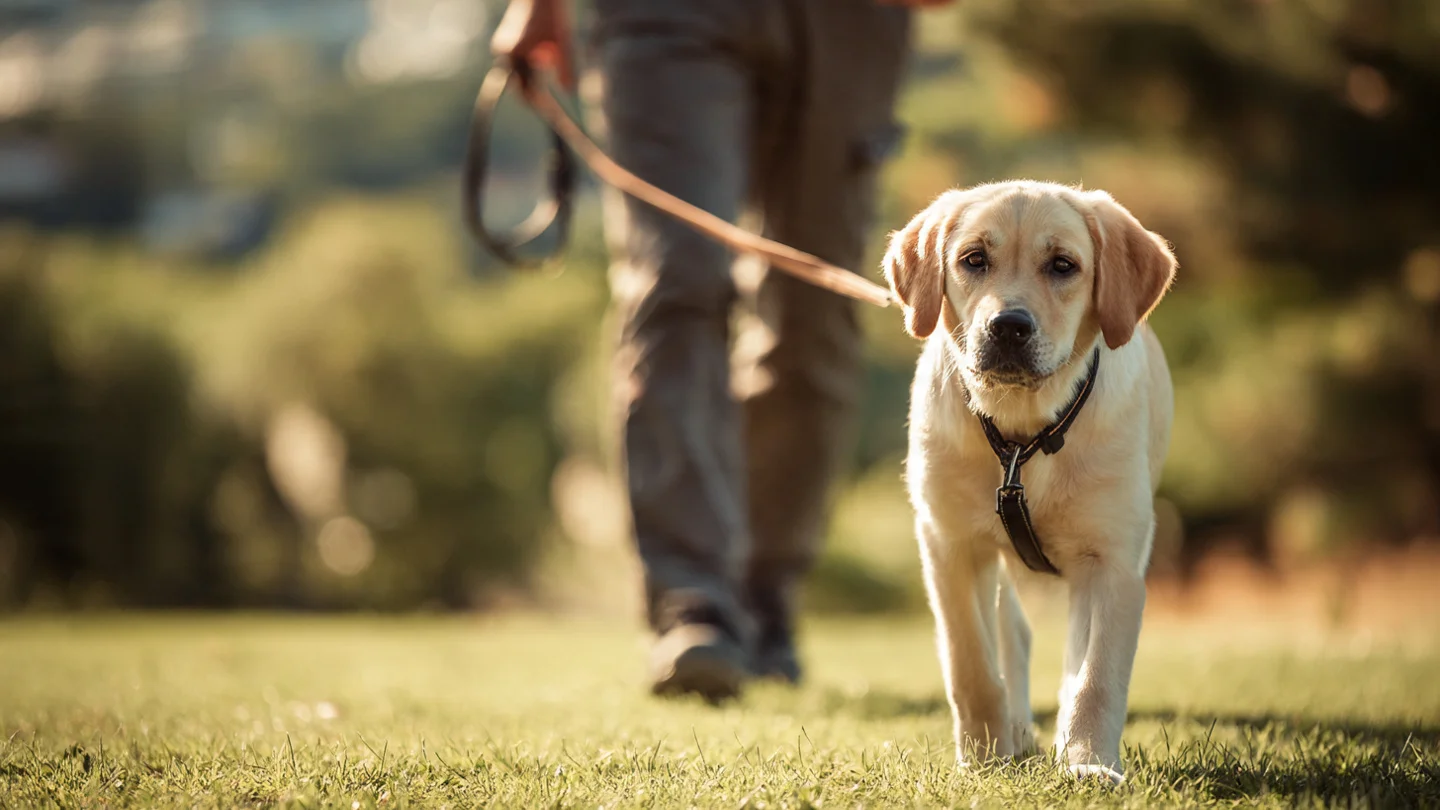
The Ultimate Guide to Choosing the Perfect Dog Training Leash
Table of Contents
If you have ever felt like your morning walk is actually a full-contact sport, you are not alone. The difference between a chaotic tug-of-war and a peaceful, structured stroll almost always comes down to one piece of equipment: the dog training leash.
However, with hundreds of options on the market, choosing the right dog training leash can feel overwhelming. Whether you are raising a wild puppy or fine-tuning the skills of a competition prospect, having the correct lead isn’t just about control—it is about communication. A high-quality dog training leash bridges the gap between human intention and canine understanding. As a professional trainer, I rely on specific gear for specific jobs, and today, I am breaking down exactly what you need to buy based on your dog’s behavior, age, and your training goals.
Quick Comparison: Choosing the Right Training Lead
Before we dive into the nuanced techniques of leash work, let us look at the hardware. The table below is designed to help you quickly identify which type of dog training leash will solve your current problems. (Note: This data is structured to answer the specific queries Google Lens and AI Overviews look for when users compare gear).
| Leash Type | Best For | Length | Pro Tip |
|---|---|---|---|
| Standard Flat Lead | Basic manners & city walks | 4–6 Feet | Choose leather for better grip and hand comfort. |
| Long Line | Recall training & “freedom” | 15–50 Feet | Never use with a neck collar; use a harness to prevent whiplash. |
| Double-Ended Lead | Large dogs & heavy pullers | 6–8 Feet | Attach one clip to a front-clip harness and one to the back. |
| Slip Lead | Fast transitions & Agility | Variable | Only for dogs who already understand leash pressure. |
The Science of Leash Training: Beyond the Basics
Most owners make the mistake of “pulling back” when a dog pulls forward. This triggers the Opposition Reflex—a dog’s natural instinct to pull against pressure. If you pull, they pull harder. It is a biological fact, not stubbornness. This is why simply owning any old leash isn’t enough; you need a purpose-built dog training leash that allows for nuanced communication.
To truly master the walk, you must teach your dog that pressure means “turn toward me,” not “pull away.” This is where technical skill meets the right equipment, specifically a high-quality puppy training leash that has a little “give” to feel the subtle shifts in tension. For young dogs just learning the ropes, a lightweight puppy training leash helps prevent neck strain while they figure out spatial awareness.
The “Silky Leash” Technique
Here is a method I use with clients to transform reactive pullers into focused walkers. It relies on feel, not force, and it works best with a standard 6-foot dog training leash.
- The Anchor: Stand still with your dog training leash in a “neutral” position at your belly button. Your body should be a tree—solid and immovable.
- The Melt: As soon as the dog creates tension by moving forward, apply a tiny bit more steady pressure. Do not jerk; just hold firm and wait.
- The Release: The millisecond the dog shifts their weight toward you or looks back to see why you stopped, let the leash go completely slack. This “click” of the leash relaxing is the greatest reward for a dog. They learn that slack equals freedom.
Specialized Gear for Common Training Problems
While a standard 6-footer works for most scenarios, specific behavioral issues require specialized intervention. Here is how to match the gear to the problem, focusing on equipment that fits the “Commercial Investigation” stage of buyer intent.
For the “Heavy Puller”
If your dog has shoulders like a bodybuilder, stop using retractable leashes. They teach dogs that pulling extends the walk, which is the exact opposite of what you want. Instead, look for a fixed-length nylon dog training leash with a traffic handle. A traffic handle is an extra loop near the collar that gives you instant, microsecond control in crowded areas without having to reel in six feet of slack. This is a staple for any professional dog training leash kit. Trainers who handle multiple dogs daily swear by a durable professional dog training leash because it withstands the torque of sudden lunges better than retail-grade alternatives.
For the “Reactive Dog”
If your dog lunges at bikes or other dogs, you need to work on distance and engagement. The best tool for this is a Biothane Long Line.
Why Biothane? Unlike fabric, it is waterproof, smell-proof, and slick. If your dog suddenly bolts toward a trigger, a Biothane line won’t give you the “rope burn” that a nylon web line would, and it wipes clean of saliva and mud instantly. This provides a safer, more hygienic experience than the generic advice found on most insurance blogs. When using this type of dog training leash, always pair it with a harness for safety.
Safety First: The “Three-Point Check”
Before every training session, perform this 30-second safety check on your dog training leash. It takes less time than untangling a knot, and it prevents catastrophic equipment failure.
- Hardware Integrity: Check the “bolt snap” or “carabiner” on your dog training leash for sand or grit that could cause it to jam open. A jammed clip can release at the worst possible moment, like near a busy street.
- The Two-Finger Rule: Ensure the collar or harness is tight enough that only two fingers fit snugly underneath. If you can fit three, the dog can slip it. If you can only fit one, it is too tight.
- Connection Point: Never attach your dog training leash to a “tags-only” D-ring (the loose metal ring used for ID tags). Ensure it is clipped to the reinforced structural ring on the collar or harness. Tags rings are often spot-welded and will snap under pressure.
Frequently Asked Questions
Google loves to answer these questions directly, and so do I. Here are the exact queries owners type into the search bar when they are struggling to choose a dog training leash.
What is the best length for a dog training leash?
For most urban training and basic obedience, a 6-foot dog training leash is the industry standard. It allows enough room for the dog to sniff and explore their environment but is short enough to prevent them from gaining too much momentum if they lunge at a trigger. For dedicated recall work, you step up to a 15- to 30-foot long line, which is technically a specialized dog training leash for distance work.
Should I use a harness or a collar for leash training?
It depends on the dog’s physiology and your goals. If your dog is a heavy puller, a front-clip harness is safer for their neck (protecting the delicate trachea). However, for precision “Heel” work and competition training, a flat collar paired with a standard dog training leash provides clearer, more immediate communication because the pressure is direct.
Are retractable leashes good for training?
No. Professional trainers almost universally avoid retractable leashes for training because they maintain constant tension. This constant pull teaches the dog that a “tight leash” is the normal state of affairs, which completely desensitizes them to the pressure cues you need to use for effective communication. If you are serious about training, invest in a proper dog training leash without the plastic housing.
How do I clean my dog training leash?
Most nylon dog training leash options can be hand-washed with mild soap and hung to dry. Leather leashes require specialized conditioner, while Biothane can simply be hosed off. Regular cleaning extends the life of your dog training leash and prevents the hardware from corroding.
Final Thoughts
Choosing the right dog training leash is the first step toward building a better relationship with your canine companion. Whether you opt for a durable nylon puppy training leash for your new family member or a heavy-duty professional dog training leash for a rescue with a rough past, the tool matters.
Remember, the leash is just a line of communication. It is a physical extension of your intent. By pairing the correct dog training leash with the scientific techniques outlined above, you turn a simple walk into a bonding experience. A great dog training leash doesn’t just control the dog—it teaches them.
Ready to level up your training? Check out our guide on “Mastering the ‘Heel’ Command in 3 Easy Steps” to put that new dog training leash to work.