
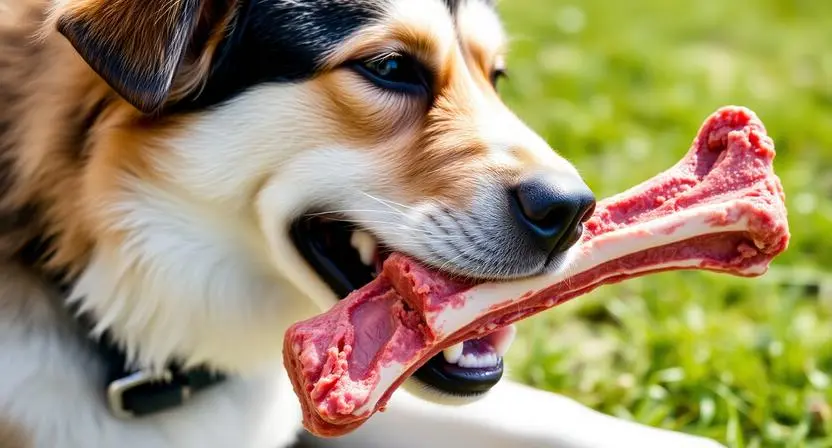
Raw Bones for Dogs: Benefits, Safety, and Best Options in 2025
Table of Contents
When your dog gnaws on a bone with pure bliss, they’re not just enjoying a tasty treat—they’re engaging in one of nature’s most effective dental care routines. Raw bones for dogs have been dubbed “nature’s toothbrush” for good reason: they naturally scrape away plaque, massage gums, and provide essential nutrients that commercial dental products simply can’t match. But before you hand your furry friend any old bone, there’s crucial safety information every pet parent needs to know.
The truth is, not all bones are created equal. While the best raw bones for dogs can deliver remarkable health benefits, choosing the wrong type could lead to serious complications. This comprehensive guide will walk you through everything you need to know about safely incorporating raw bones for dogs into your dog’s diet, from understanding which bones are safe to creating a foolproof introduction plan.
The Safety Matrix: Your Quick Reference Guide
Before diving deeper, let’s establish the ground rules. Here’s your at-a-glance safety matrix for selecting appropriate bones:
| Bone Type | Safety Level | Best For | Key Benefits | Cautions |
|---|---|---|---|---|
| Raw Beef Marrow Bones | ✅ High | Medium to large dogs | Dental health, mental stimulation, joint support | Monitor for excessive consumption; can be calorie-dense |
| Raw Chicken Wings | ✅ High | Small to medium dogs | Easily digestible, calcium-rich, complete nutrition | Always supervise; not suitable for aggressive chewers |
| Raw Turkey Necks | ✅ High | All sizes | Glucosamine for joints, dental cleaning | Cut into appropriate sizes for smaller breeds |
| Raw Lamb Ribs | ✅ Medium-High | Medium dogs | Softer texture, easier to digest | Can be fatty; limit frequency |
| Cooked Bones (Any Type) | ❌ Dangerous | None | None | Splinter easily, cause blockages and perforations |
| Weight-Bearing Bones (Knuckles) | ⚠️ Medium | Large, gentle chewers only | Long-lasting, marrow content | Risk of tooth fractures in power chewers |
Golden Rule: If a bone is cooked, it’s a no-go. Heat changes the bone structure, making it brittle and prone to splintering—a recipe for disaster.
The Science Behind the Benefits: Nutritional vs. Psychological
Nutritional Powerhouses
When it comes to feeding raw bones for dogs, you’re offering more than just entertainment—you’re providing nutritional goldmines that deliver:
- Calcium and Phosphorus Balance: Essential minerals for skeletal health, properly balanced in their natural form
- Glucosamine and Chondroitin: Natural joint support compounds found in cartilage and connective tissue
- Bone Marrow Nutrition: Rich in healthy fats, vitamins A and K2, iron, zinc, and selenium
- Natural Enzymes: Living enzymes that support digestion and nutrient absorption
- Collagen: Promotes skin elasticity, coat health, and joint flexibility
Research indicates that dogs who regularly consume appropriate raw bones for dogs show improved dental health scores, with significantly reduced tartar buildup compared to those on kibble-only diets.
Psychological Benefits: More Than Just a Snack
The mental health advantages of bone chewing are equally impressive:
- Stress Relief: Chewing releases endorphins, creating a natural calming effect
- Boredom Prevention: A meaty bone can occupy your dog for hours, reducing destructive behaviors
- Instinctual Satisfaction: Gnawing satisfies ancestral prey-drive instincts
- Jaw Strength: Regular chewing maintains strong jaw muscles and promotes oral motor skills
As certified canine nutritionist Dr. Sarah Mitchell notes: “We often underestimate the psychological importance of chewing. For dogs, it’s meditative, satisfying, and deeply rooted in their DNA.”
Step-by-Step Guide: Introducing Raw Bones Safely
Ready to give your dog their first raw bone? Follow this proven introduction protocol for raw bones for dogs:
Step 1: Choose the Right Bone Select a bone appropriate for your dog’s size and chewing style. For first-timers, raw chicken bones for dogs—particularly wings or necks—are ideal because they’re softer, fully consumable, and less intimidating. These are among the best raw bones for dogs who are new to this natural treat.
Step 2: Timing Matters Introduce bones when your dog is calm, not ravenously hungry. Post-meal is perfect, as they’ll approach it more casually without resource guarding instincts kicking in.
Step 3: Create a Bone Zone Designate a specific area (preferably outdoors or on an easy-to-clean surface) as “bone time” territory. This helps with cleanup and establishes boundaries.
Step 4: Supervise the First Session Never leave your dog unattended during their first several bone experiences. Watch their chewing style:
- Gentle gnawers: Great candidates for most raw bones
- Aggressive chompers: May need softer bones or shorter sessions
- Gulpers: Require extra supervision and potentially larger bones they can’t swallow whole
Step 5: Set Time Limits Start with 15-20 minute sessions. Remove the bone while your dog still wants it (prevents possessiveness and digestive upset from overconsumption).
Step 6: Storage Protocol Wrap partially consumed bones and refrigerate for up to 3 days. Discard if they develop an odor or if more than 4 days have passed.
Step 7: Monitor Afterward Watch stools for the next 24-48 hours. Small bone fragments are normal; consult your vet if you notice constipation, diarrhea, or straining.
Vet’s Corner: Professional Insight
Dr. Jennifer Rodriguez, DVM, DACVN
Board-Certified Veterinary Nutritionist“In my 15 years of practice, I’ve seen remarkable improvements in dental health among dogs who consume raw bones for dogs as part of a balanced diet. However, success requires education and appropriate bone selection. The best raw bones for dogs are always raw, never cooked, appropriately sized, and introduced gradually. I recommend starting with softer, consumable bones like chicken necks or wings, and always supervising your pet. When it comes to raw chicken bones for dogs, they’re perfectly safe when raw—the danger only exists with cooked poultry bones. When done correctly, raw bones for dogs can be a valuable component of canine dental and nutritional care.”
Dr. Rodriguez emphasizes that raw bones should complement, not replace, regular veterinary dental checkups and professional cleanings when necessary.
FAQ Section: Your Questions Answered
Q: Are raw chicken bones for dogs really safe?
A: Absolutely! Raw chicken bones for dogs are soft, flexible, and easily digestible. They’re among the best raw bones for dogs and provide excellent calcium. The danger lies only in cooked chicken bones, which splinter dangerously.
Q: How often should I give my dog raw bones?
A: For recreational raw bones for dogs (like marrow bones), 2-3 times weekly is ideal. Fully consumable bones (chicken wings, necks) can be given more frequently as part of their raw diet or as meal replacements.
Q: Can puppies have raw bones?
A: Yes! Puppies benefit greatly from raw bones, which support developing teeth and jaws. Choose softer, smaller bones appropriate for their size, and always supervise closely.
Q: What if my dog has never had a raw bone before?
A: Start slowly with easily digestible options like chicken wings. Their digestive system may need time to adjust, so introduce gradually and monitor their response.
Q: My dog gulps food quickly—are bones safe?
A: Choose larger bones they cannot swallow whole, and consider bones with more meat attached to slow them down. Supervise extra carefully and consult your vet about your specific dog’s eating behavior.
Q: What’s the difference between recreational and edible bones?
A: Edible bones (chicken, duck, rabbit) are fully consumable and provide nutrition. Recreational bones (large marrow bones) are for gnawing only—the bone itself isn’t meant to be consumed entirely, just the marrow and meat.
Q: Should I freeze raw bones before giving them?
A: Freezing is optional and can make bones last longer during chewing sessions, which some dogs enjoy. However, always supervise frozen bones as they can occasionally cause tooth damage in aggressive chewers.
Making the Right Choice for Your Dog
Selecting appropriate raw bones for dogs isn’t one-size-fits-all. Consider these personalized factors:
- Size matters: Match bone size to your dog’s jaw. Too small risks swallowing whole; too large may frustrate smaller breeds
- Age considerations: Senior dogs with dental issues may need softer options; puppies need appropriately sized bones for their developing jaws
- Health status: Dogs with pancreatitis should avoid fatty marrow bones; those with digestive sensitivities might need a gradual introduction
- Chewing personality: Power chewers need durable options; gentle gnawers can enjoy softer varieties
Your Action Plan: Getting Started Today
Ready to transform your dog’s dental health and happiness? Here’s your roadmap:
✓ Identify your dog’s chewing style and size category
✓ Source high-quality raw bones from a trusted butcher or pet supply store
✓ Designate a bone-safe space in your home
✓ Schedule your first supervised bone session
✓ Document your dog’s response and adjust accordingly
Download our comprehensive Bone Safety Checklist to keep handy during shopping trips and bone sessions. This printable guide includes size recommendations, safety reminders, and a tracking sheet to monitor your dog’s bone preferences and responses.
Remember, the journey to optimal canine dental health starts with education and the right choices. Raw bones offer an incredible opportunity to enhance your dog’s physical health, mental stimulation, and overall quality of life—when done safely and thoughtfully. Your dog’s ancestral instincts will thank you, one satisfying crunch at a time.
Have you introduced raw bones to your dog? Share your experiences in the comments below, and don’t forget to consult with your veterinarian before making significant dietary changes.