
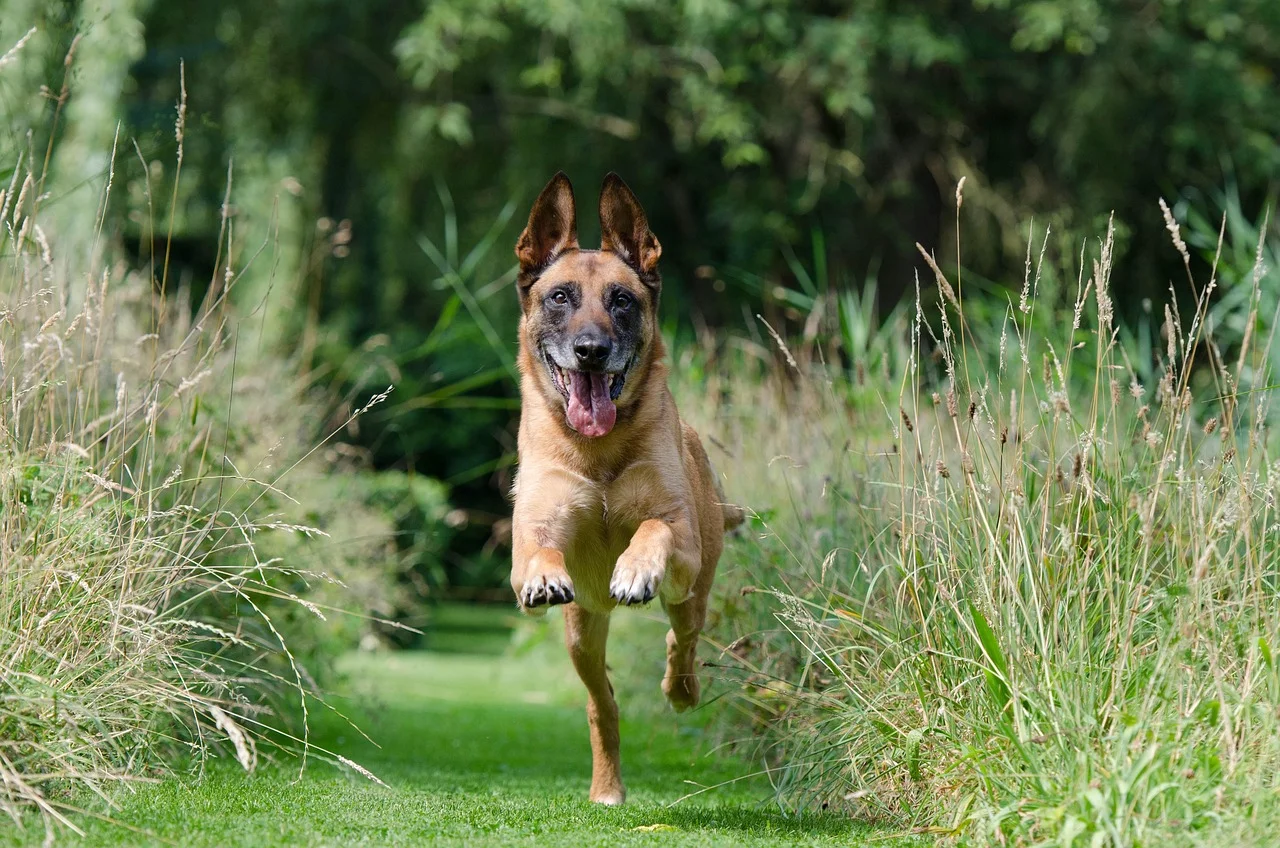
3 Easy Steps for Effective Dog Recall Training :How to Get Your Dog to Come Every Time
Table of Contents
Is your dog’s recall more of a suggestion than a command? You’re not alone.
Picture this: You’re at the park, your dog is sniffing happily, and then you see it—a squirrel, another dog, or worse, an open gate. You call your dog’s name. They glance at you… and keep running. Frustrating, right?
Dog recall training is arguably the most important skill you’ll ever teach your furry friend. It’s not just about convenience—it’s about safety. Whether you’re wondering how to train a dog to come on command or pulling your hair out because your dog won’t come when called, this comprehensive guide will transform your recall struggles into reliable responses.
Understanding Dog Recall Training: More Than Just a Command
Before we dive into techniques, let’s get inside your dog’s head. Dog recall training isn’t about forcing compliance—it’s about creating enthusiasm. When your dog won’t come when called, it’s rarely defiance. It’s usually competition.
The Value Gap Problem
Here’s the hard truth: Your dog isn’t ignoring you to be stubborn. They’re making a logical choice based on value.
Think of it this way:
- The squirrel chasing opportunity: 100 points
- Your “come” command with a boring biscuit: 5 points
The math is simple. The distraction wins every single time.
The American Kennel Club focuses heavily on repetition in their training approach, and while practice matters, repetition alone won’t solve the value gap. You need to become more interesting than the environment.
Are You “Poisoning” Your Cue?
Here’s something most trainers won’t tell you: You might be accidentally sabotaging your own dog recall training.
If you consistently call your dog for things they dislike—leaving the park, ending playtime, taking a bath, or getting nail trims—the word “come” becomes a negative prediction. Your dog learns: “When I hear that word, fun stops.”
The fix: From today onward, never call your dog for something they perceive as negative. Go fetch them instead. Protect the power of your recall word at every cost.
The Psychology of Why Your Dog Won’t Come When Called
Understanding the “why” behind the behavior is crucial for successful dog recall training. When your dog won’t come when called, several psychological factors may be at play:
| Psychological Factor | What It Looks Like | How to Address It |
|---|---|---|
| The Independence Phase | Adolescent dogs (6-18 months) suddenly “forget” recall | Increase reward value, return to long-line training |
| Fear Periods | Dog freezes or runs away when called | Use happy tones, never chase, create positive associations |
| Predatory Drift | Dog locks onto moving prey | Practice emergency recall, manage environment |
| Owner Frustration | Dog senses your anger and avoids | Use neutral whistles, hide emotions, end sessions positively |
Mastering How to Train a Dog to Come on Command: The Essential Toolkit
Most blogs suggest a standard leash and some treats. For serious dog recall training, we’re going professional-grade.
Gear That Actually Works
| Tool | Why It Matters |
|---|---|
| 15–30ft Biothane Long Line | Unlike nylon, biothane won’t get soggy, doesn’t tangle easily, and glides smoothly through grass. Essential for teaching how to train a dog to come on command safely. |
| The “Jackpot” Reward | Freeze-dried liver, string cheese, or boiled chicken—this isn’t daily kibble. These are reserved exclusively for recall moments. |
| High-Frequency Whistle | An Acme 210.5 carries further than your voice and remains emotionally neutral. Your frustration won’t leak into the sound. |
| Hands-Free Treat Pouch | Keeps rewards accessible but hidden, preventing the “treat bag detector” phenomenon. |
Step-by-Step Dog Recall Training: The 3-Phase Roadmap
Phase 1: The “Name Game” (Days 1–7)
Location: Inside your home (zero distractions)
When learning how to train a dog to come on command, you must start where success is guaranteed.
- Say your dog’s name in a happy, upbeat tone
- The moment they look at you, mark with “Yes!” and toss a high-value treat away from you
- Let them eat it and naturally turn back toward you
- Repeat 10-15 times daily
Goal: Build a “whiplash” response—your dog’s head snaps toward you the instant they hear their name. This creates an automatic orientation response that precedes reliable recalls.
Phase 2: The “Ping-Pong” Recall (Days 8–20)
Location: Fenced yard or quiet park with 15ft long line
This exercise is gold for dog recall training because it builds momentum and joy.
Enlist a family member or friend for this powerful exercise:
- Stand 10-15 feet apart, both holding high-value rewards
- Person A calls enthusiastically: “Rover, Come!” (use that high-pitched, exciting voice)
- When your dog arrives, deliver a 3-second “jackpot” reward—multiple small treats fed one after another
- Person B immediately calls them back
- Repeat 8-10 times per session
Goal: Build speed, enthusiasm, and the understanding that coming to you predicts amazing things.
Phase 3: The “Real World” Test (Days 21–30)
Location: Public parks with mild distractions (always on the 30ft long line)
This is where many owners discover their dog won’t come when called in real situations. Here’s the fix:
- Allow your dog to explore and sniff at the end of the line
- Wait until they’re moderately distracted (sniffing a spot, watching something)
- Call once—just once—in a happy tone
- If they don’t immediately turn, resist the urge to repeat yourself
- Instead, use gentle pressure on the long line to guide them toward you
- When they arrive (even with assistance), celebrate and reward extravagantly
Goal: Teach your dog that “come” is non-negotiable but always profitable. The long line ensures safety while building reliability.
Advanced Dog Recall Training: Breed-Specific Tactics
Here’s where we get strategic. Different dogs have different drivers, and understanding this transforms your dog recall training results:
Scent Hounds (Beagles, Bloodhounds, Basset Hounds)
These dogs experience the world through their nose. When their nose is engaged, their ears turn off—a primary reason these breeds’ owners complain their dog won’t come when called.
The tactic: Use scattered treats on the ground as your reward rather than hand-feeding. Tossing a handful of treats creates a sniffing windfall that satisfies their natural instincts while reinforcing the recall.
Sighthounds (Greyhounds, Whippets, Afghan Hounds)
These breeds are hardwired to chase moving objects. A running squirrel will always trigger that prey drive.
The tactic: Reward recalls with motion. Once they reach you, throw a toy for them to chase or take off running a few feet so they can chase you. You’re speaking their language.
Herding Breeds (Border Collies, Australian Shepherds, Corgis)
These intelligent dogs need a job. Food is fine, but purpose is better.
The tactic: Use a tug toy as your primary recall reward. A quick game of tug satisfies their need for interactive work and builds intense focus on you.
Guardian Breeds (Rottweilers, Great Pyrenees)
These independent thinkers assess situations before committing—which often means they’re slow to respond during dog recall training.
The tactic: Patience and consistency. Use calm, confident body language and always reward with calm praise plus treats. Forced compliance damages trust with these sensitive souls.
The Emergency Recall: Your Life-Saving Secret
Every dog needs one nuclear option—a word so powerful it can interrupt a chase or prevent disaster. This is advanced dog recall training that could save your dog’s life.
Creating Your Emergency Recall
- Choose a unique word: “BACON!”, “TOUCH!”, “COOKIE!”, or “SARDINE!” Work best. Avoid everyday words.
- The sacred rule: You only use this word in genuine emergencies or for once-weekly maintenance training.
- The reward: An entire can of sardines, a quarter of a cheeseburger, or a spoonful of peanut butter—something extraordinary.
- The result: A sound so powerful your dog will stop mid-chase because they know the payoff is life-changing.
Train it separately: Practice this word no more than once weekly, always with the super-reward. Let it remain magical.
Troubleshooting: Why Your Dog Won’t Come When Called
Even with consistent dog recall training, problems arise. Here’s how to fix them:
| Problem | Likely Cause | Solution |
|---|---|---|
| “My dog looks at me then keeps sniffing” | Your reward isn’t valuable enough | Upgrade from biscuits to meat, cheese, or liver. You’re competing with nature—bring better offerings. |
| “My dog only comes when I have the treat bag visible” | You’re bribing, not rewarding | Hide treats in pockets or behind your back. The reward should appear after compliance, not before. |
| “My dog runs away when I reach for their collar” | You’ve become a “grabber” | Practice: Call, touch collar, treat, release back to play. Never let collar-touching predict the end of fun. |
| “My dog comes halfway then stops” | Inconsistent reinforcement | Reward every step of the way initially. Use excited encouragement to close the distance. |
| “My dog listens at home but never at the park” | Distraction gap | You progressed too quickly. Return to long-line work in medium-distraction environments. |
Dog Recall Training: The Golden Rule
“Never call your dog to you for something they perceive as negative.”
This bears repeating because it’s that important for successful dog recall training. If you need to leash your dog to leave the park, walk over and leash them. If they need a nail trim, go find them. If bath time approaches, don’t ruin your recall—fetch them instead.
FAQ: Mastering How to Train a Dog to Come on Command
How long does it take to train a dog to come when called?
With consistent daily practice, most dogs achieve 90% reliability in low-distraction environments within 30 days. High-distraction environments (off-leash parks, busy trails) typically require 3–6 months of ongoing reinforcement. Some independent breeds may need a year of consistent work before recall becomes truly reliable.
What is the best command word for recall?
While “Come” is standard, words like “Here,” “Front,” or “Touch” often work better because they haven’t been “poisoned” by past negative experiences. The most important factor in dog recall training is consistency—whatever word you choose, everyone in the household must use it the same way.